Volume 4 of 12 · 11:00 am
The Bread Atlas
100 Recipes, Classic to Global. A Cookbook of Breads from Around the World.
- recipes
- 100
- chapters
- 7
- countries
- 28
The Bread Atlas runs from everyday tin loaves through artisan and sourdough, flatbreads, rolls and bagels, sweet and enriched breads, quick breads, and a closing tour of how the world actually bakes. One hundred breads, each with its own history, its own formula, and its own reasons for being made the way it is.
Before the recipes comes The Bread Kitchen, the reference chapter. It covers flour and what protein really does, water and salt and yeast, baker’s percentage, building and keeping a sourdough starter, the preferments, mixing and shaping, proving and scoring and steam, the bake itself, and the equipment that genuinely matters. Read it once and every formula that follows will make more sense.
Every recipe opens with its origin label, an image, a spec bar giving yield, oven temperature and honest total time including proving, and — for the yeasted and naturally leavened breads — a formula line in baker’s percentages. Then comes Origin & History, the ingredients, the method, and Baker’s Notes: the technique that decides success, what can be done ahead, what goes wrong and how to fix it, the variations worth making, and how the bread is eaten and kept.
Baker’s percentage is the language of bread. Total flour is 100%, and every other ingredient is expressed as a percentage of it, which is what lets you scale any formula to any quantity of flour. The percentages appear beside each ingredient and are summarised in the formula line. Quick breads, soda breads, scones and batters carry no percentages, because the convention does not apply to chemically leavened doughs and pretending otherwise would mislead you.
Where a recipe depends on something that is itself a preparation — a starter, a poolish, a biga, a tangzhong, a soaker, a filling, a glaze, a lye bath — it is written out in full inside the recipe that needs it. The Component Index at the back lists every one of them with a batch quantity and the recipe number where it is made.
Measurements are metric first with imperial in parentheses. For bread this is not a preference but a requirement: a cup of flour can vary by more than twenty percent depending on how it was filled, and that difference is the difference between a slack dough and a dry one. Buy a scale that reads in grams. It is the cheapest improvement you can make to your baking.
A few standing notes. Water temperature matters more than most recipes admit — aim for a final dough temperature around 24–25°C and adjust the water to get there. Bulk fermentation is read by feel and volume, never by the clock alone. Bread is not finished when it leaves the oven; it is finished when it has cooled, because the crumb is still setting. And cutting a hot loaf will cost you more than patience would have.
Chapter 1
Everyday Loaves & Sandwich Breads
The daily loaf: soft white, whole wheat, rye, and oatmeal breads for toast and sandwiches. Fifteen dependable everyday breads.
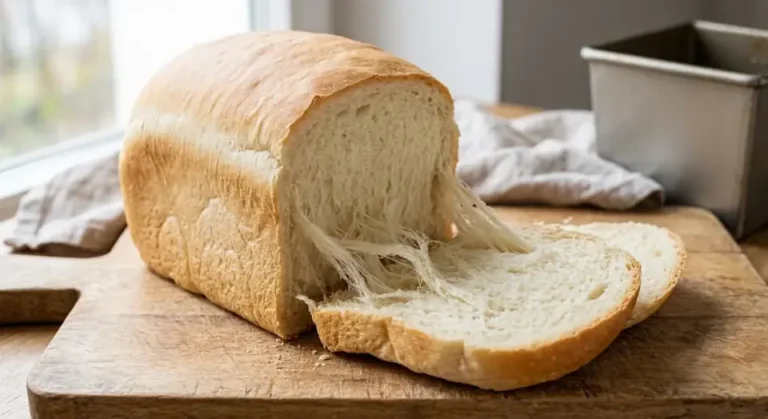
 Soft White Sandwich BreadUnited States · The Pullman Tin
 Whole Wheat BreadUnited States · The Wholemeal Revival
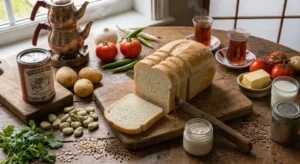 Everyday Sourdough
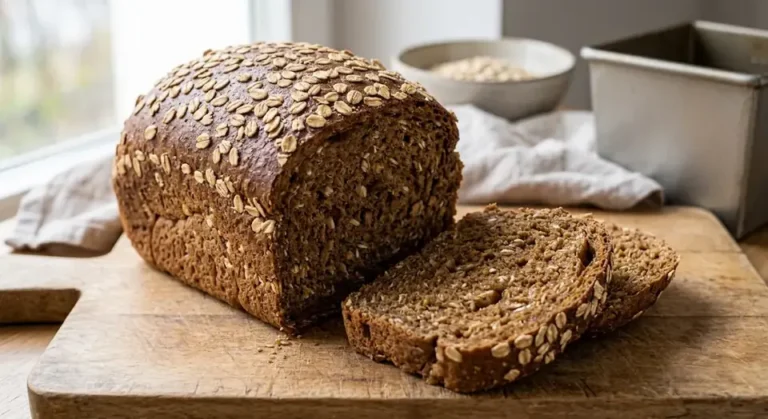
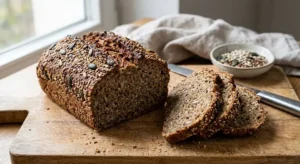 Seeded Whole Grain BreadNorthern Europe · The Saatenbrot
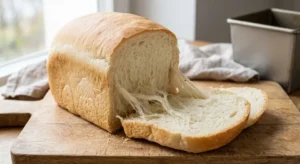 Milk BreadJapan · Shokupan
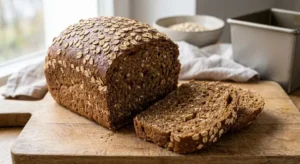 Oatmeal BreadUnited States · New England
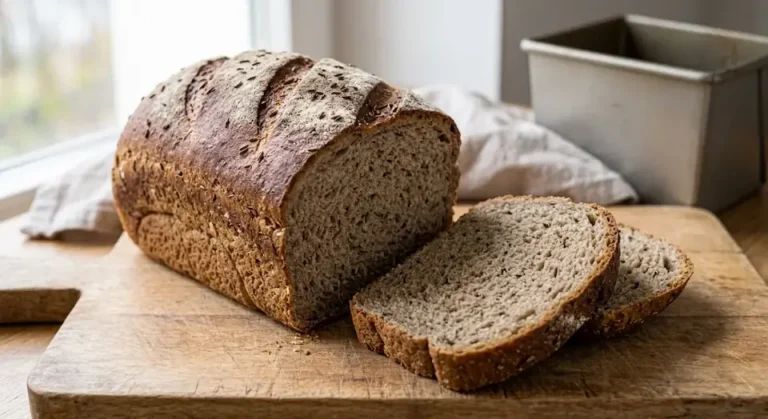
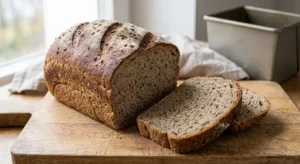 Light Rye BreadCentral Europe · The Domestic Rye
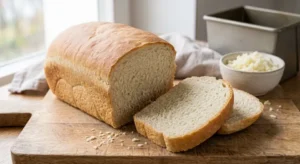 Potato BreadIreland & the American Midwest · The Potato Loaf
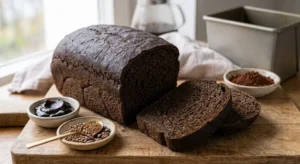 Dark Rye BreadGermany · The Schwarzbrot Table
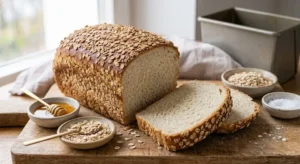 Honey Oat LoafUnited States · The Bakery-Case Honey Oat
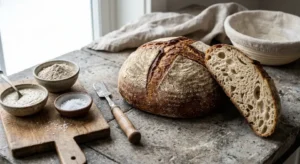 Country White BouleFrance · The Poolish and the Hearth
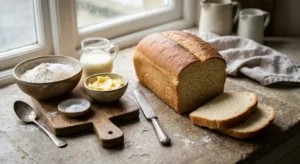 Buttermilk BreadIreland & the American South · The Churn
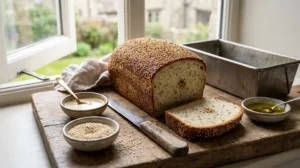 Sesame Sandwich LoafThe Levant & the United States · The Tahini Loaf
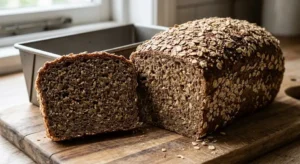 Multigrain BreadNorth America · The Porridge Loaf
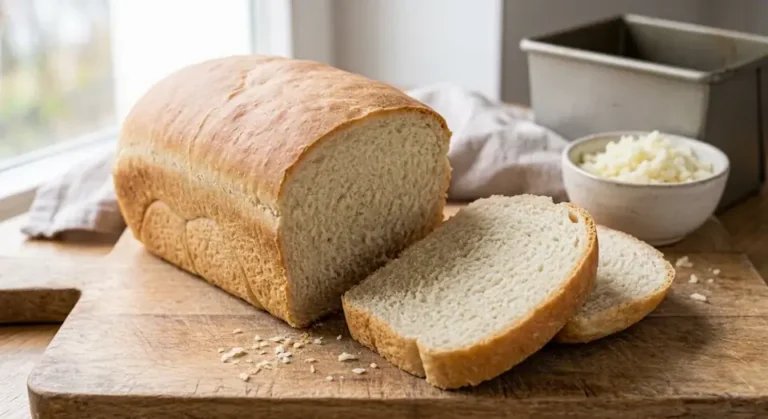
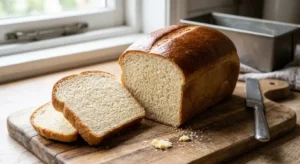 Classic White LoafUnited Kingdom · The Straight Dough
Chapter 2
Artisan & Sourdough
The bakery classics: sourdough boules, baguettes, ciabatta, and rustic country loaves. Fourteen crusty, open-crumbed artisan breads.
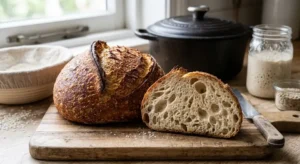 Classic Sourdough Boule
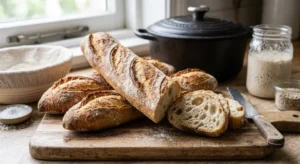 French BaguetteFrance · The Baguette Ordinaire
 CiabattaItaly · Adria, Veneto
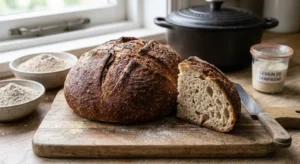 Pain de CampagneFrance · The Village Oven
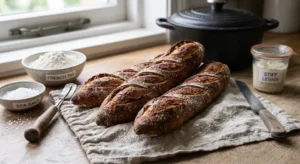 Baguette TraditionFrance · The Décret Pain of 1993
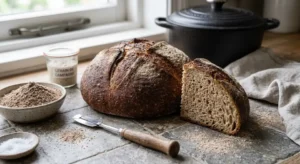 Whole Wheat Sourdough
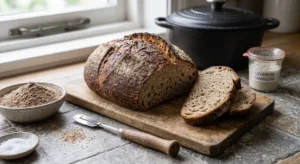 Rustic BatardFrance · The Bâtard and the Blade
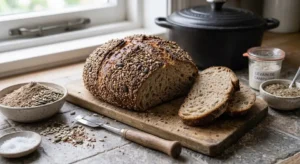 Seeded Sourdough
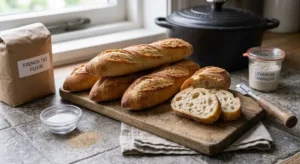 Demi-BaguetteFrance · The Half Loaf and the Home Oven
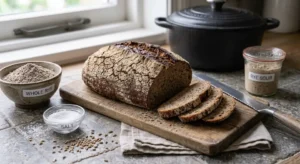 Rye SourdoughNorthern Europe · The Rye Sour
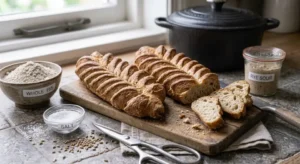 Épi de BléFrance · The Wheat Ear
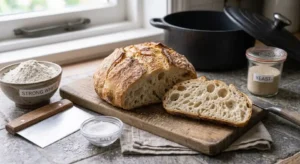 No-Knead Artisan LoafUnited States · Sullivan Street, New York
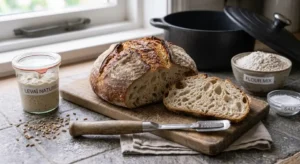 Pain au LevainFrance · Levain Naturel
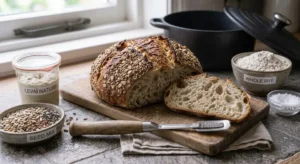 Seeded Country Loaf
Chapter 3
Flatbreads
Flat and fast: pita, naan, focaccia, tortillas, and lavash. Fourteen flatbreads from the griddle, oven, and skillet.
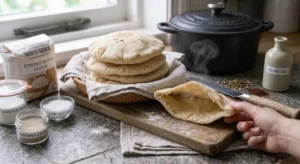 Pita BreadThe Levant · Khubz Arabi
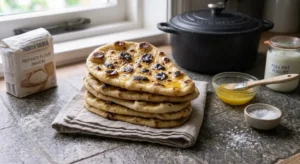 NaanNorth India & Pakistan · The Tandoor
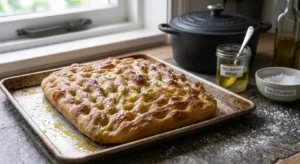 FocacciaItaly · Liguria
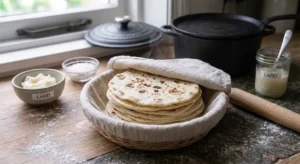 Flour TortillaMexico · Sonora and the North
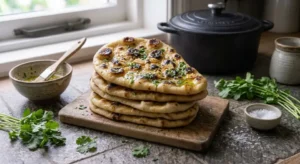 Garlic NaanPunjab · The Restaurant Tandoor
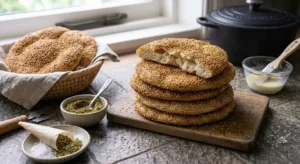 Sesame FlatbreadThe Levant · The Ka'ak Family
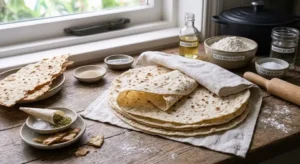 LavashArmenia · The Tonir
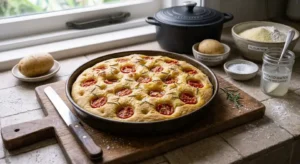 Rosemary FocacciaItaly · Puglia
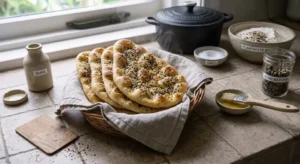 Seeded NaanNorth India · The Seed Box
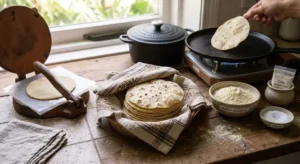 Corn TortillaMexico · Nixtamal
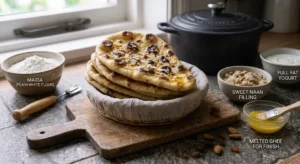 Peshwari-Style NaanBritain and Peshawar · The Stuffed Sweet Naan
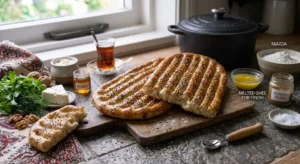 Barbari BreadIran · The Tehran Bakery
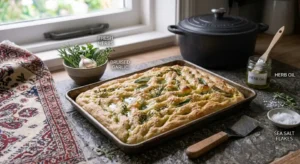 Herb FocacciaItaly · Rome
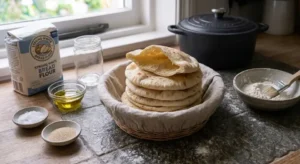 Pocket PitaThe Levant · The Reliable Pocket
Chapter 4
Rolls, Buns & Bagels
The small stuff: dinner rolls, burger buns, bagels, and soft pretzels. Fourteen handheld breads for every table.
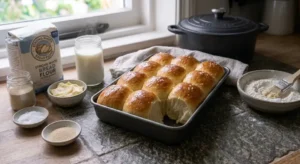 Soft Dinner RollsUnited States · The Pull-Apart Pan
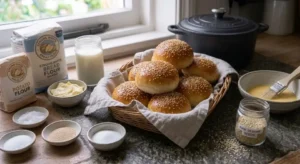 Sesame Burger BunsUnited States · The Griddle Counter
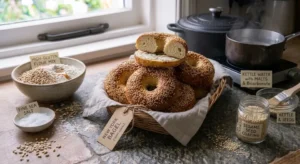 Sesame BagelsUnited States · New York
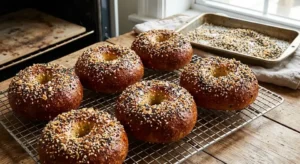 Everything BagelsUnited States · New York, disputed
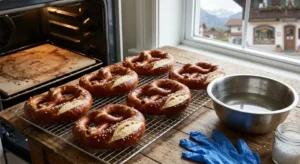 Soft PretzelsGermany · Bavaria
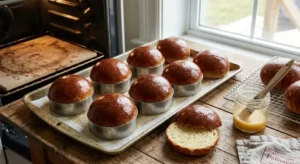 Brioche BunsFrance · Paris and Normandy
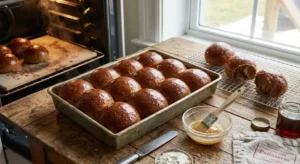 Whole Wheat RollsNorth America · The Honey Wheat Roll
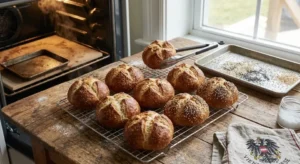 Kaiser RollsAustria · Vienna
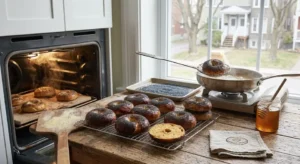 Poppy Seed BagelsCanada · Montreal
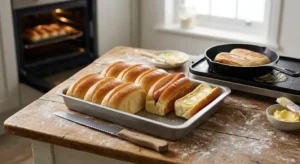 Hot Dog BunsUnited States · New England
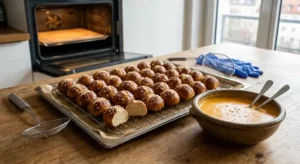 Pretzel BitesGermany, by way of the American bar
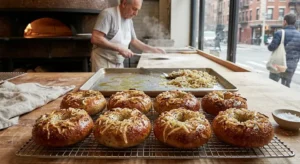 Onion BagelsUnited States · The Lower East Side
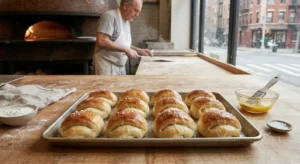 Parker House RollsUnited States · Boston
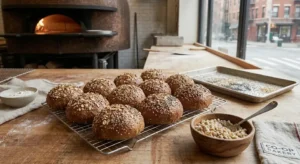 Multigrain RollsNorth America · The Co-op Bakery Counter
Chapter 5
Sweet & Enriched Breads
Butter, eggs, and sugar: brioche, challah, cinnamon rolls, and babka. Fourteen rich, tender breads for the sweeter side.
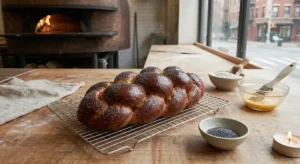 ChallahJewish Tradition · The Shabbat Table
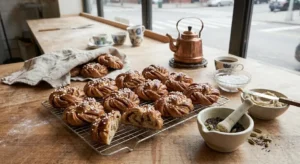 Cinnamon RollsSweden · The Kanelbulle and Fika
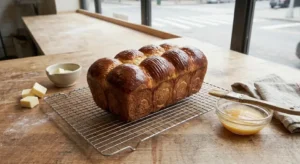 Brioche LoafFrance · Brioche Nanterre
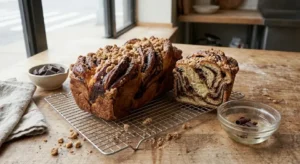 Chocolate BabkaEastern Europe · The Jewish Bakery
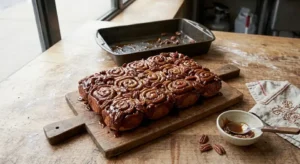 Sticky BunsUnited States · Moravian Pennsylvania
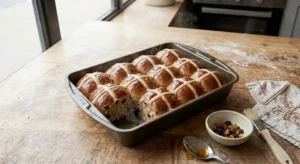 Hot Cross BunsUnited Kingdom · Good Friday
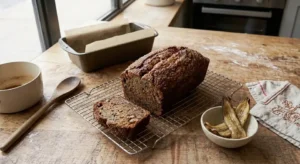 Banana BreadUnited States · The Developed Loaf
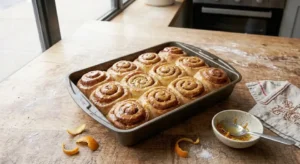 Orange Sweet RollsUnited States · The Citrus Breakfast Table
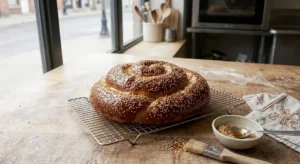 Sesame ChallahJewish Tradition · Rosh Hashanah
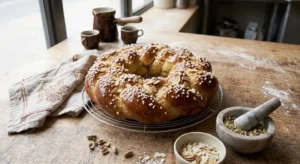 Cardamom BreadFinland and Sweden · Pulla
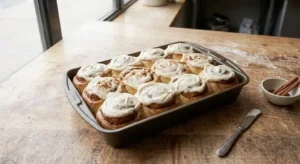 Cinnamon Swirl RollsUnited States · The Pan Roll
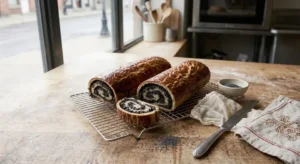 Poppy Seed RollPoland and Hungary · Makowiec and Bejgli
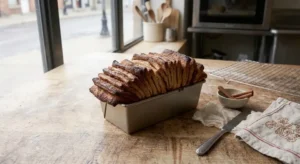 Pull-Apart BreadUnited States · The Stacked Loaf
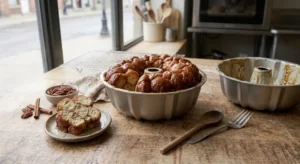 Monkey BreadUnited States · The Bundt Pan
Chapter 6
Quick Breads & Batter Loaves
No yeast, no wait: banana bread, zucchini, cornbread, soda bread, and scones. Fourteen quick breads leavened without yeast.
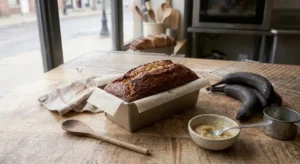 Classic Banana BreadUnited States · The Depression Loaf
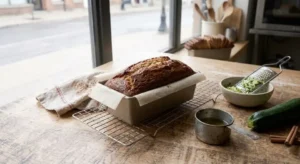 Zucchini BreadUnited States · The Summer Glut
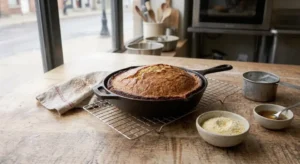 CornbreadAmerican South · The Cast-Iron Skillet
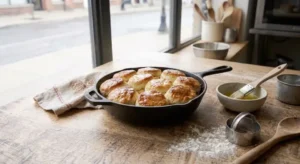 Buttermilk BiscuitsAmerican South · The Soft-Wheat Belt
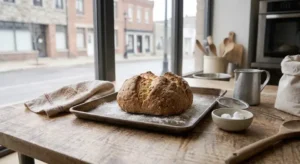 Irish Soda BreadIreland · The Bastible Pot
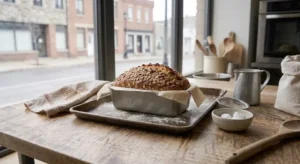 Oat Quick BreadBritain & Ireland · The Oat Country
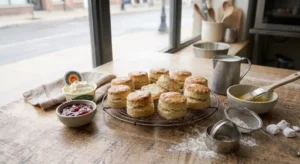 SconesUnited Kingdom · The Cream Tea
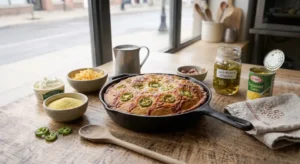 Jalapeño CornbreadTexas · The Border Skillet
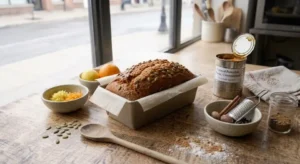 Pumpkin BreadUnited States · The Canned Purée
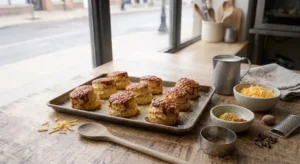 Cheese SconesUnited Kingdom · The Tea Room Counter
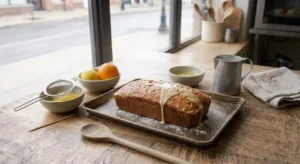 Lemon LoafUnited Kingdom · The Drizzle Cake
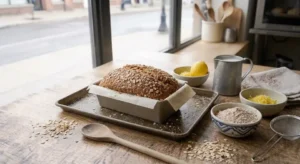 Whole Wheat Soda BreadIreland · Ulster Wheaten
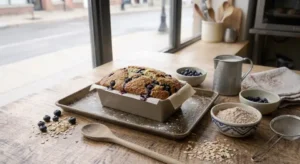 Blueberry Quick BreadUnited States · Maine and the Lowbush Berry
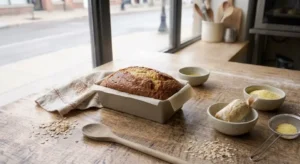 Sweet Corn Muffin LoafAmerican North · The Sweet Side of the Argument
Chapter 7
Breads Around the World
A tour of the world's baskets: baguette, ciabatta, naan, challah, pretzel, and injera. Fifteen breads from around the globe.
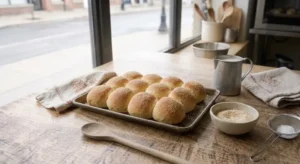 PandesalPhilippines · Manila Breakfast
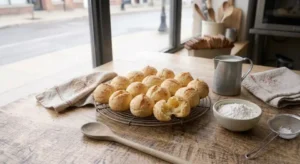 Pão de QueijoBrazil · Minas Gerais
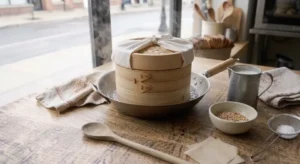 MantouChina · Northern Wheat Belt
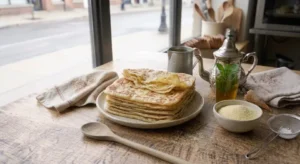 MsemenMorocco · Maghreb
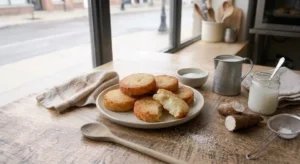 BammyJamaica · Taíno Inheritance
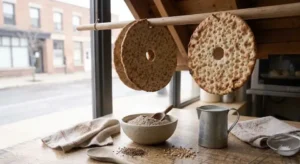 KnäckebrödSweden · Dalarna
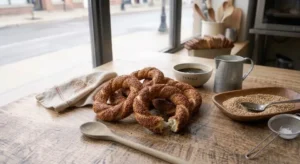 Turkish SimitTurkey · Istanbul
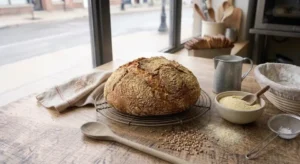 Portuguese BroaPortugal · Minho
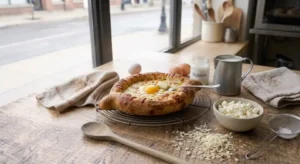 Georgian KhachapuriGeorgia · Adjara
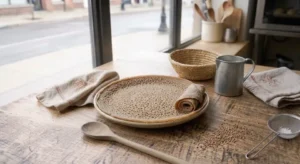 Ethiopian InjeraEthiopia · The Highlands
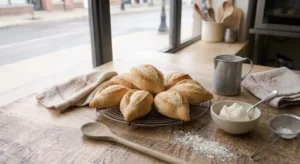 Mexican BolilloMexico · The French Intervention
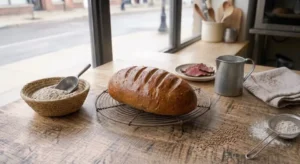 Jewish RyeEastern Europe · The New York Deli
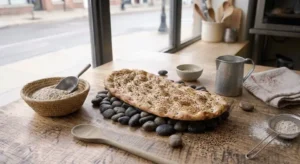 Persian SangakIran · The Pebble Oven
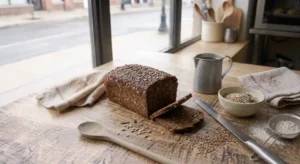 Danish RugbrødDenmark · The Smørrebrød Table
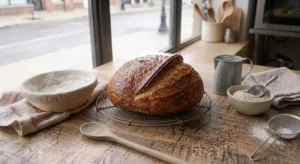 Grand Country Sourdough