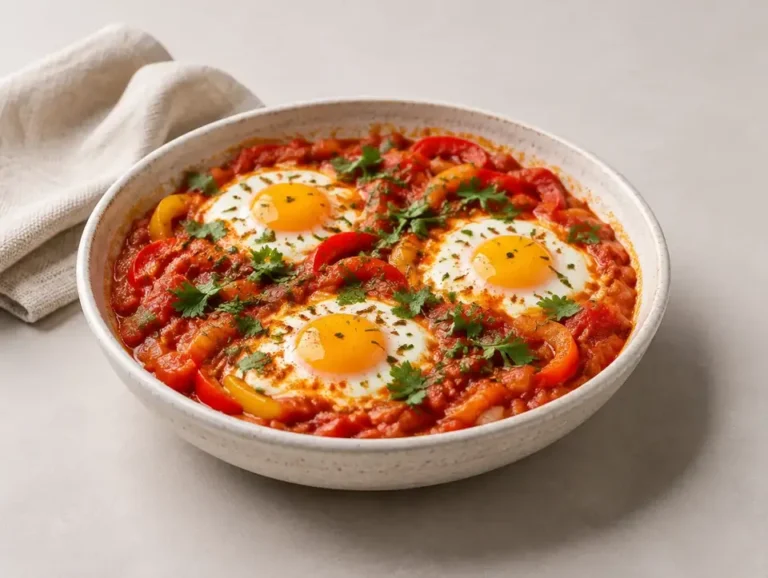
Volume 1 of 12 · 7:00 am
The Breakfast Atlas
100 Recipes, Classic to Global. A Cookbook of Breakfasts from Around the World.
- recipes
- 100
- chapters
- 7
- countries
- 23
The Breakfast Atlas is a reference as much as a recipe collection. It runs from the egg through breakfast meats and hash, toast and breakfast breads, oats and porridge, yogurt and cold bowls, smoothies and drinks, and closes with a tour of how the world actually eats in the morning. One hundred recipes, each a distinct dish with its own history, its own technique, and its own reasons for being made the way it is.
Before the recipes comes The Breakfast Kitchen, the reference chapter: the egg doneness chart, the pan and fat guide, salt and acid, bread and the toaster, blender ratios, coffee and tea brewing, a worked timeline for landing a full cooked breakfast hot on four plates at once, and a stocked pantry list. Read it once and the recipes that follow will make more sense.
Every recipe opens with its origin label, a photograph, and a spec bar giving yield, method, and honest total time including preparation. Then comes Origin & History — where the dish is from and what it means to the people who eat it — followed by the ingredients, the method, and Cook's Notes: the technique that decides success, what can be done the night before, what goes wrong and how to fix it, the worthwhile variations, and what to serve alongside.
Where a recipe depends on something that is itself a recipe — hollandaise, salsa roja, chai masala, granola, tattie scones, dashi — that component is written out in full inside the recipe that needs it, with its own ingredient list and its own steps. The Component Index at the back lists all sixty-three of them with batch quantities and the recipe number where each is made, so you can find and scale any one of them in seconds. Nothing here asks you to buy a jar of something you could make better in ten minutes.
Measurements are metric first with imperial in parentheses, because weight is the only honest way to measure flour, oats, and coffee. At the back you will also find a Glossary of every technique and unfamiliar ingredient in the book with pronunciations, a full set of conversion and temperature charts, and an Index by ingredient, by country, and by dietary need.
A few standing notes. Cook eggs gently — the proteins in a white set from about 62°C and tighten fast above 70°C, which is the whole reason for low heat. Start bacon in a cold pan so the fat renders before the meat seizes. Use frozen fruit rather than ice in smoothies so nothing is watered down. Soak overnight oats and chia puddings the night before. And read each recipe through before you start: most breakfasts move quickly once the pan is hot.
Chapter 1
Eggs
The heart of breakfast: fried, scrambled, poached, and folded into omelettes, plus frittatas, shakshuka, and huevos rancheros. Fifteen ways to cook the perfect egg.
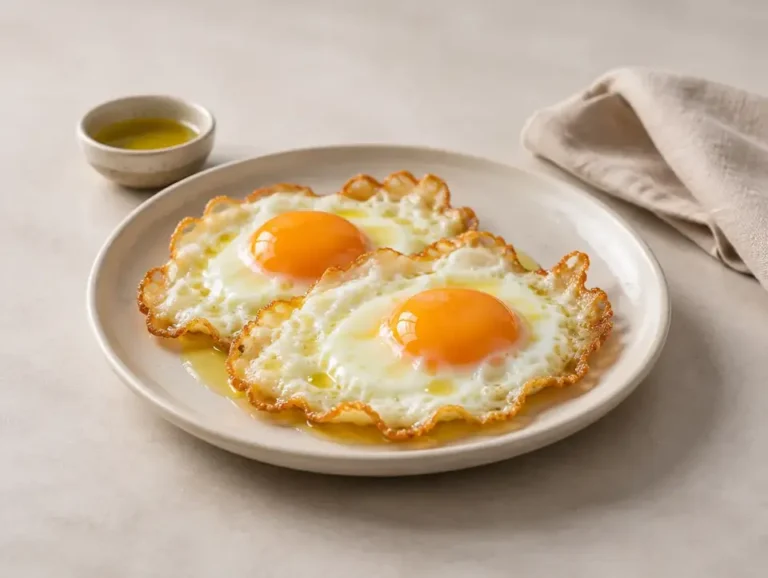
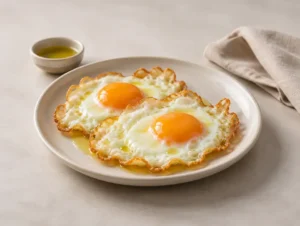 Classic Fried EggsSpain & the American Diner · Egg Cookery
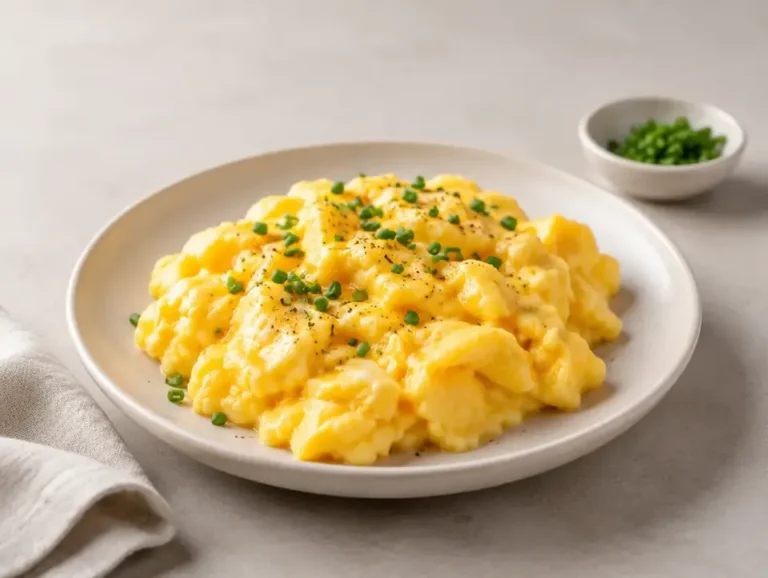
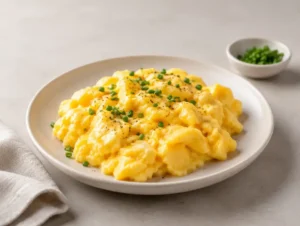 Fluffy Scrambled EggsUnited States · Diner & Home Cookery
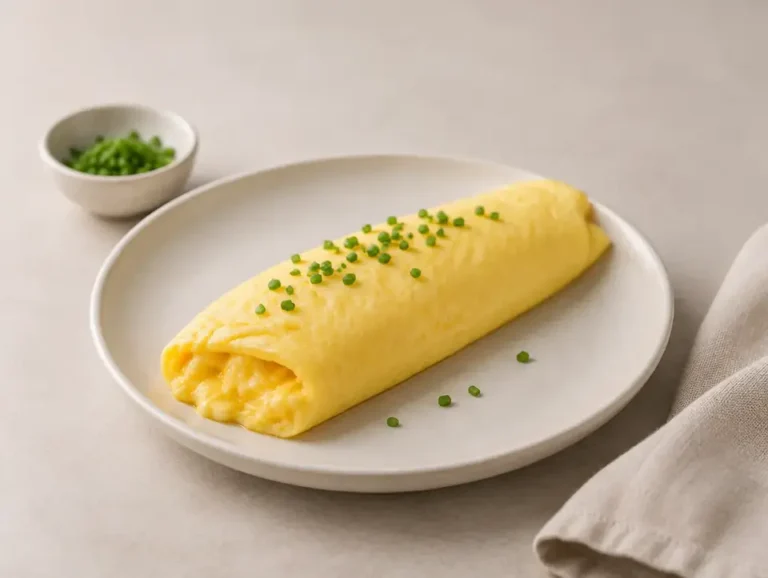
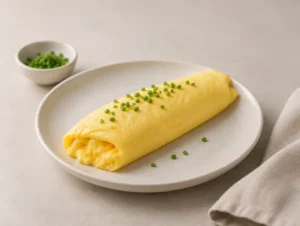 French OmeletteFrance · Classical Technique
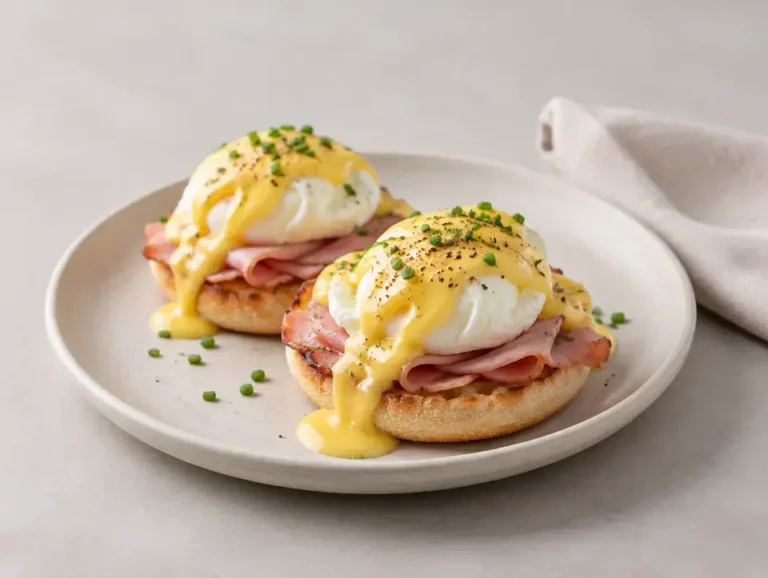
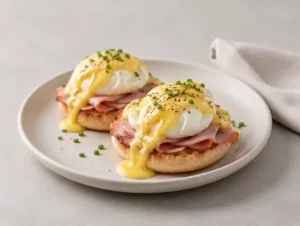 Eggs BenedictUnited States · New York Brunch
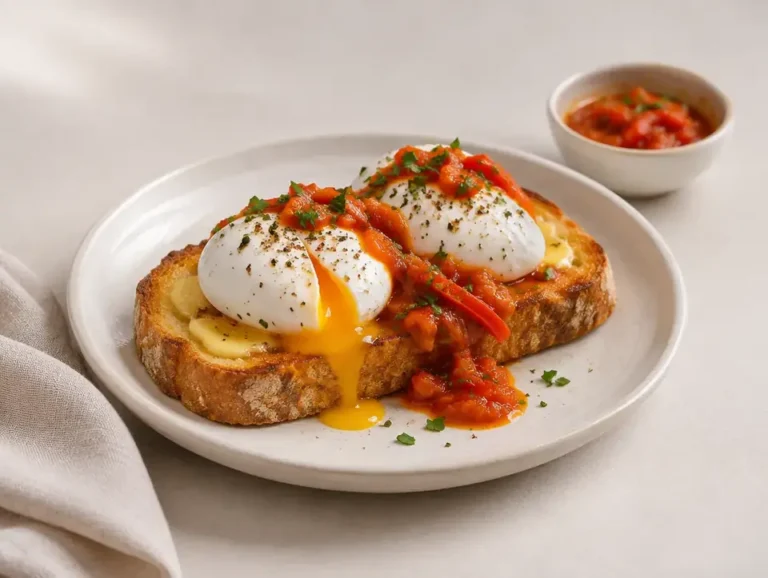
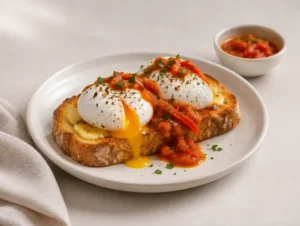 Poached Eggs on ToastBritain · Everyday Cookery
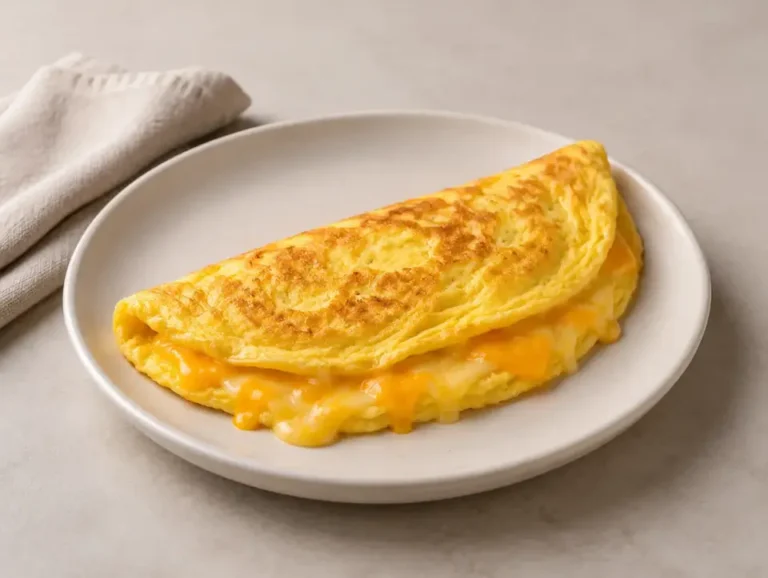
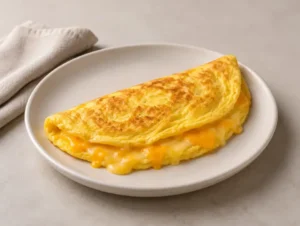 Cheese OmeletteUnited States · Diner Counter
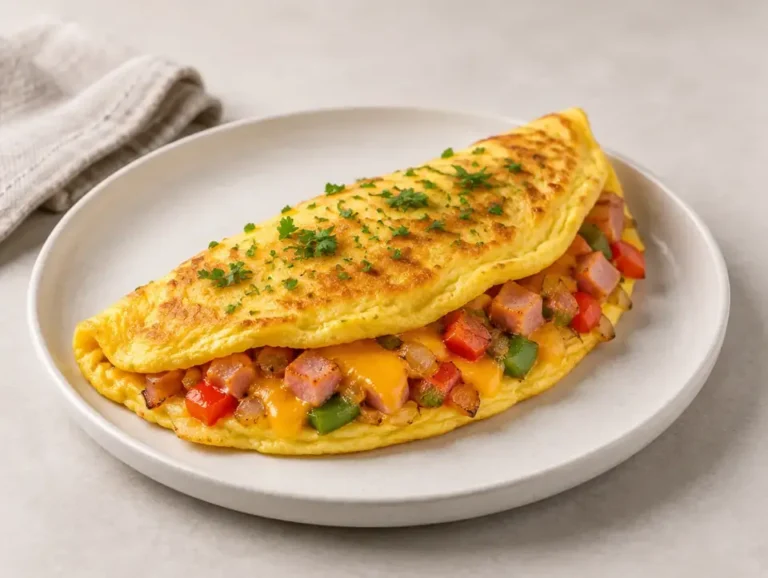
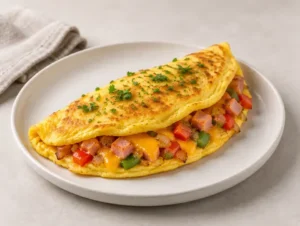 Denver OmeletteUnited States · American West
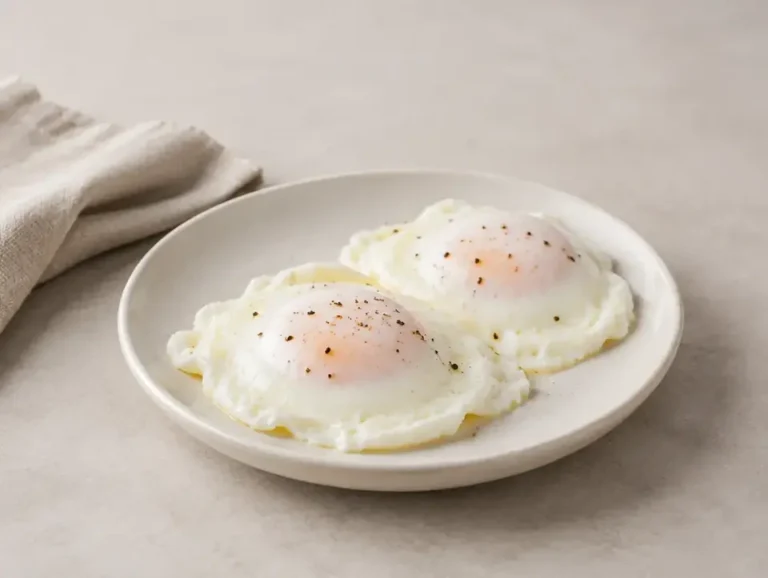
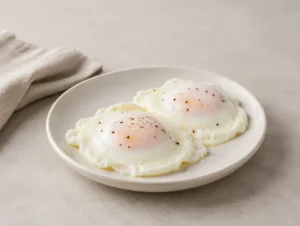 Basted EggsUnited States · Short-Order Counter
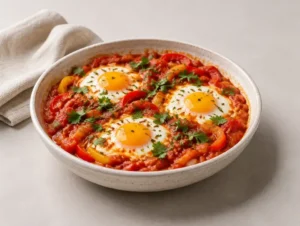 ShakshukaMaghreb · North African & Mediterranean Tables
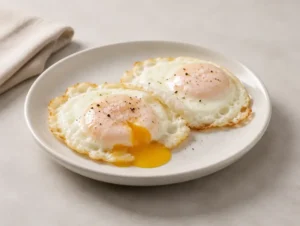 Over-Easy EggsUnited States · Diner Lingo
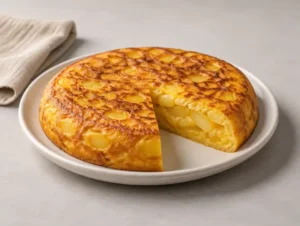 Spanish TortillaSpain · Tapas & Home Cooking
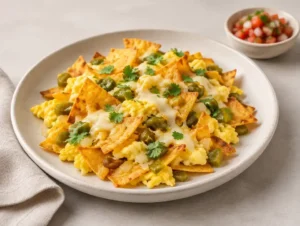 MigasTexas · Tex-Mex Breakfast
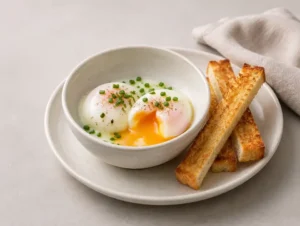 Soft-Poached EggsFrance & Japan · Precision Egg Cookery
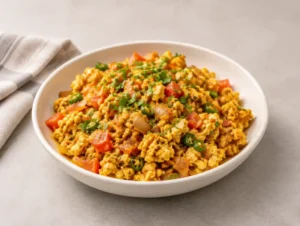 Masala Scrambled EggsIndia · Mumbai Street Food
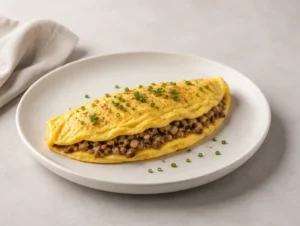 Mushroom OmeletteFrance · Mushroom Cookery
Chapter 2
Bacon, Sausage & Hash
The savory sides that anchor a plate: crisp bacon, sausage links and patties, golden hash browns, and corned beef hash. Fourteen breakfast meats and potatoes.
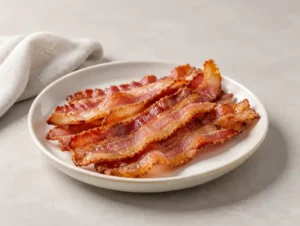 Crispy BaconBritain & United States · Cured Pork
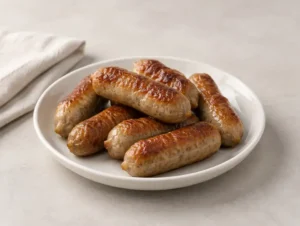 Breakfast Sausage LinksUnited States · Fresh Cased Sausage
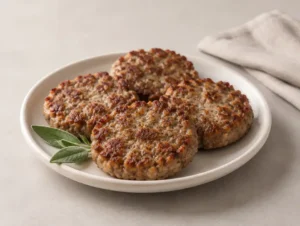 Sausage PattiesAmerican South & Midwest · Country Sausage
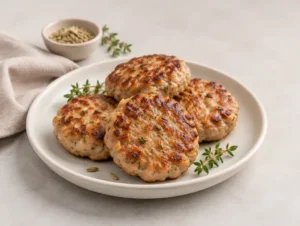 Turkey Sausage PattiesUnited States · Lean Breakfast Meats
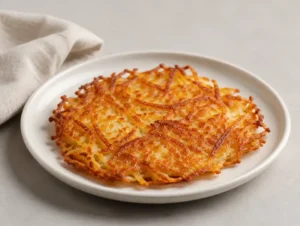 Hash BrownsUnited States · Diner Cooking
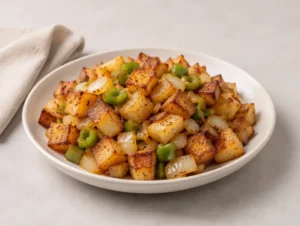 Home FriesUnited States · Diner Griddle
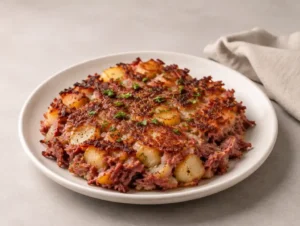 Corned Beef HashIreland & New England · Salt Beef
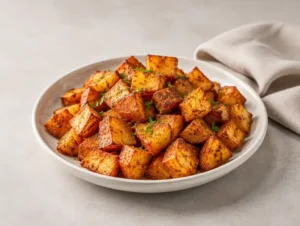 Breakfast PotatoesNorth America · Brunch Cooking
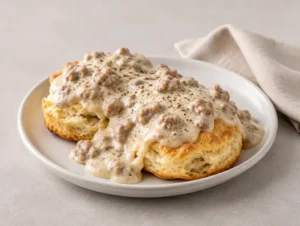 Biscuits and GravyAppalachia & the American South · Logging-Camp Cooking
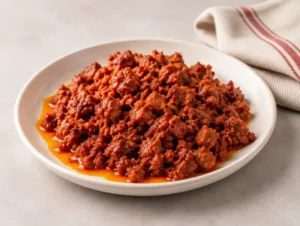 ChorizoMexico · Fresh Chile Sausage
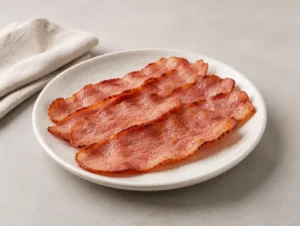 Turkey BaconUnited States · Formed Poultry Products
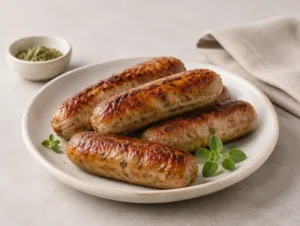 Herbed Breakfast SausageBritain · The Banger
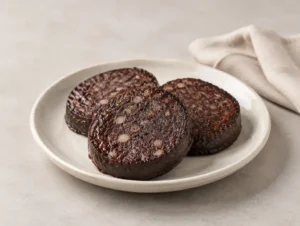 Black PuddingBritain & Ireland · Blood Sausage
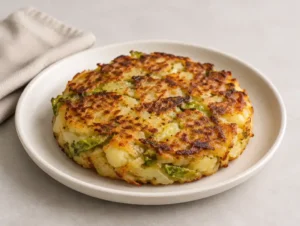 Bubble and SqueakBritain · Leftovers Cookery
Chapter 3
Toast & Breakfast Breads
From a simple slice of buttered toast to avocado toast, French toast, bagels, and breakfast sandwiches. Fourteen ways with bread to start the day.
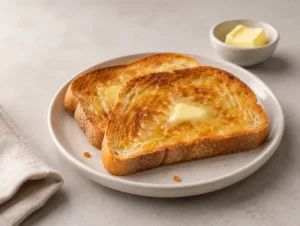 Buttered ToastBritain · Foundational Toast
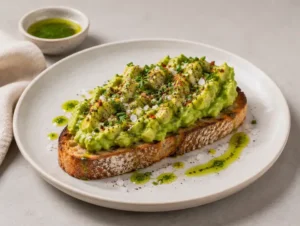 Avocado ToastAustralia · Café Breakfast
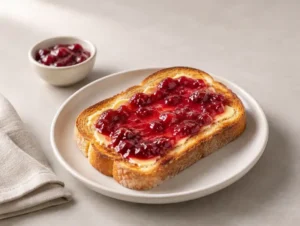 Jam ToastBritain · Preserves & Marmalade
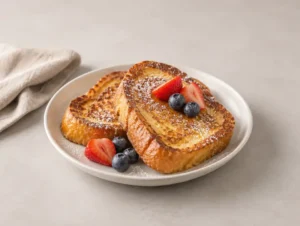 French ToastFrance · Pain Perdu
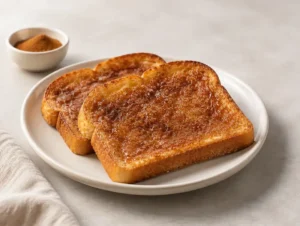 Cinnamon ToastUnited States · Mid-Century Childhood
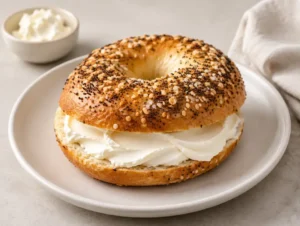 Bagel with Cream CheeseNew York · Ashkenazi Jewish Baking
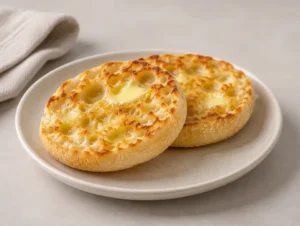 English MuffinEngland · Griddle Breads
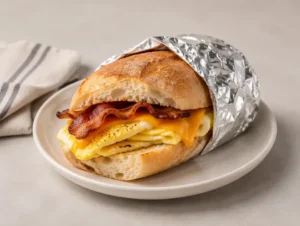 Breakfast SandwichNew York · Deli & Bodega
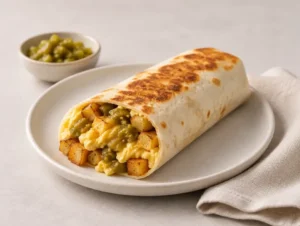 Breakfast BurritoNew Mexico · Southwestern Border Cooking
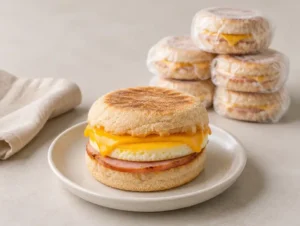 Egg and Cheese MuffinUnited States · Fast-Food Format
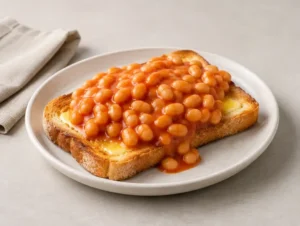 Beans on ToastBritain · Wartime Store Cupboard
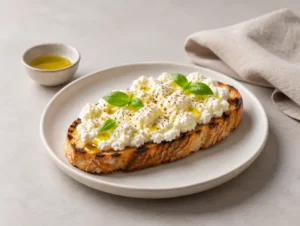 Ricotta ToastItaly · Whey Cheeses
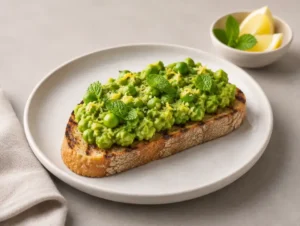 Smashed Pea ToastEngland · Spring Produce
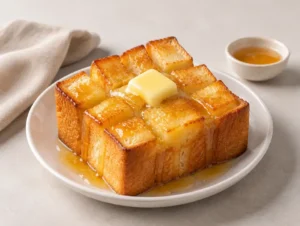 Honey Butter ToastEast Asia · Café Thick Toast
Chapter 4
Oats, Grains & Porridge
Warm, comforting bowls to start the day: oatmeal, overnight oats, congee, grits, and chia pudding. Fourteen grain and porridge breakfasts.
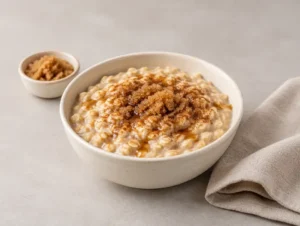 Classic OatmealUnited States · Rolled Oats
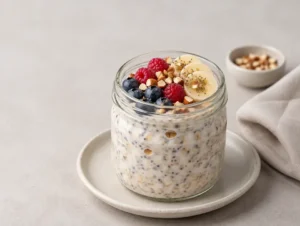 Overnight Oats
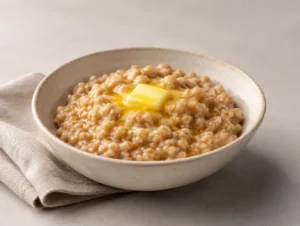 Steel-Cut OatsIreland · Slow Porridge
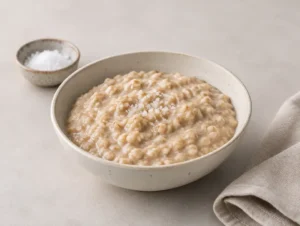 PorridgeScotland · Oatmeal & Water
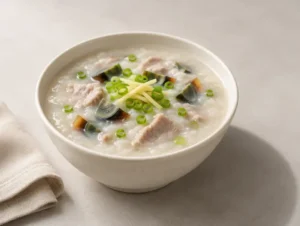 CongeeChina · Cantonese Jook
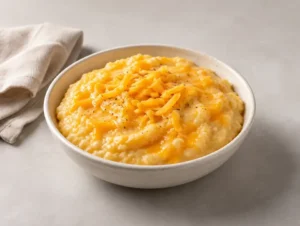 Cheese GritsAmerican South · Lowcountry
 Quinoa Breakfast BowlAndes · Toasted Quinoa
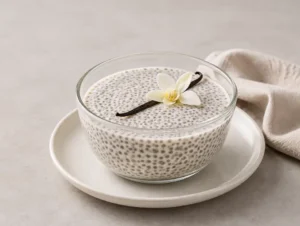 Chia PuddingMesoamerica · Vanilla Base
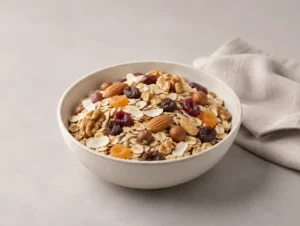 MuesliSwitzerland & Germany · Dry Mix
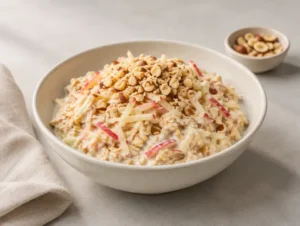 Bircher MuesliSwitzerland · Zurich, c. 1900
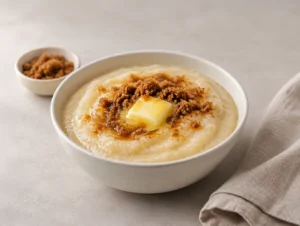 Cream of WheatUnited States · Grand Forks, 1893
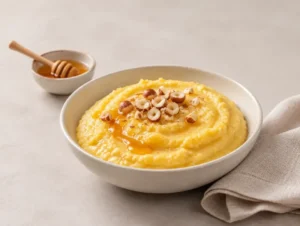 Breakfast PolentaNorthern Italy · Coarse Bramata
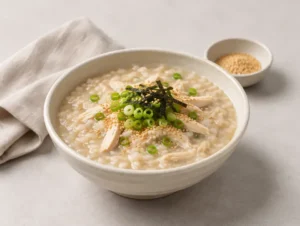 Savory Rice PorridgeJapan & Korea · Okayu and Juk
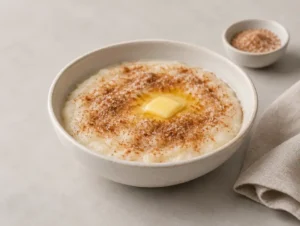 Farina PorridgeNordic & Beyond · Semolina
Chapter 5
Yogurt, Fruit & Cold Bowls
Fresh, no-cook mornings: yogurt parfaits, granola bowls, acai and smoothie bowls, and fruit. Fourteen bright, spoonable breakfasts.
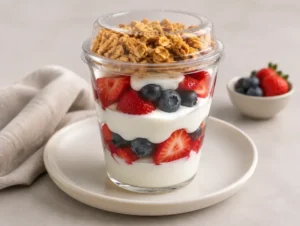 Yogurt ParfaitUnited States · From Soda Fountain to Kiosk
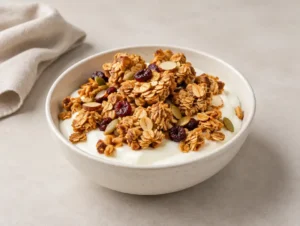 Granola BowlUnited States · Granula, Granola and the Health Reformers
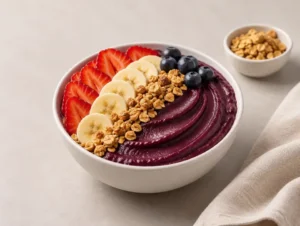 Acai BowlBrazil · Amazonian Açaí
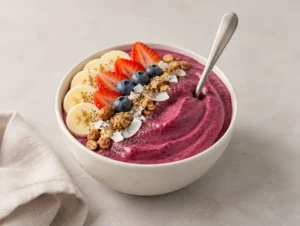 Smoothie Bowl
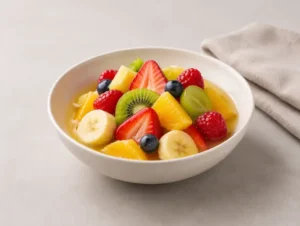 Fruit SaladBritain & France · The Victorian Macédoine
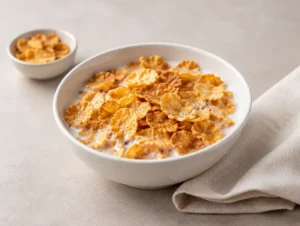 Cereal and MilkBattle Creek, Michigan · Flaked Cereal
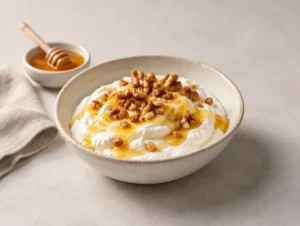 Yogurt with Honey and NutsGreece · The Cretan and Aegean Table
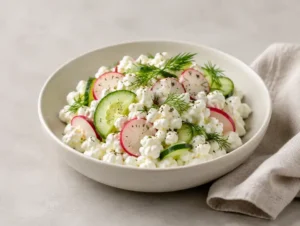 Cottage Cheese BowlCentral Europe & the Levant · Fresh Curds
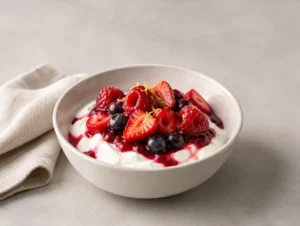 Berry Yogurt BowlIceland · Skyr and the Nordic Cultured Milks
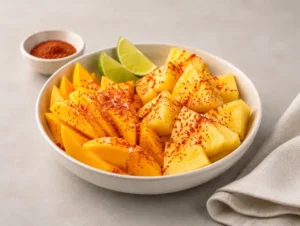 Tropical Fruit BowlMexico & Southeast Asia · Street Fruit
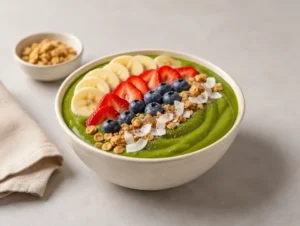 Green Smoothie BowlUnited States · The Raw-Food and Green Smoothie Movement
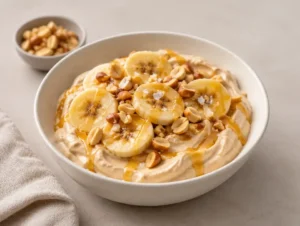 Peanut Butter Banana BowlUnited States · Peanut Butter and the Sanatorium
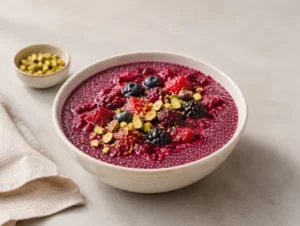 Chia Berry BowlMexico · Chia, Hibiscus and the Modern Bowl
 Fruit and Yogurt ParfaitFrance & England · The Verrine and the Fool
Chapter 6
Smoothies & Breakfast Drinks
Breakfast in a glass: berry and green smoothies, fresh juice, and the morning coffees and lattes. Fourteen blends and brews to start the day.
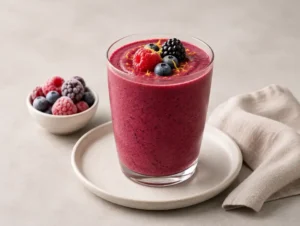 Berry SmoothieUnited States · The Blender Age
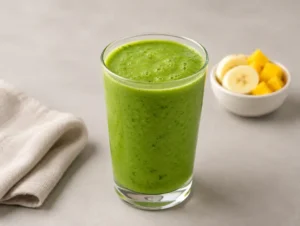 Green SmoothieUnited States · The Raw-Food Revival
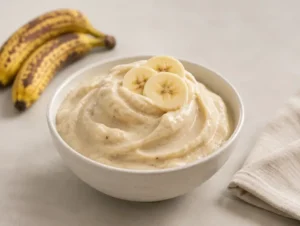 Banana SmoothieUnited States & Korea · Soda-Fountain Lineage
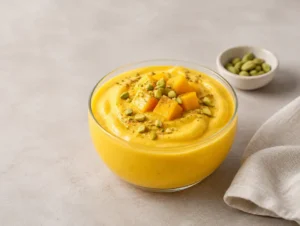 Mango SmoothiePunjab, India · The Lassi Lineage
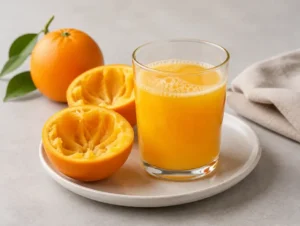 Fresh Orange JuiceValencia & Florida · Citrus
 Drip CoffeeDresden, 1908 · The Paper Filter
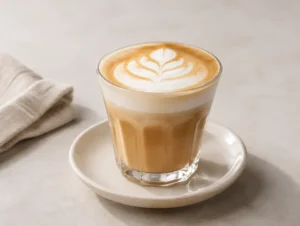 LatteItaly & Seattle · Espresso and Milk
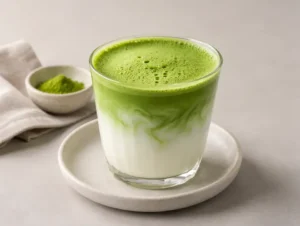 Matcha LatteUji & Nishio, Japan · Tencha and the Stone Mill
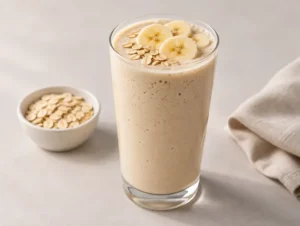 Protein ShakeUnited States · Sports Nutrition
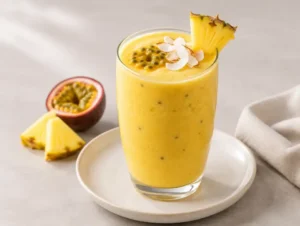 Tropical SmoothieCaribbean & Hawai‘i · Island Fruit
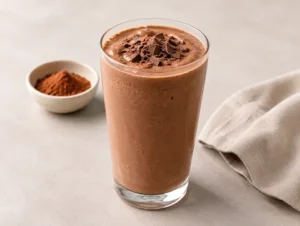 Chocolate SmoothieMesoamerica & the American Soda Fountain
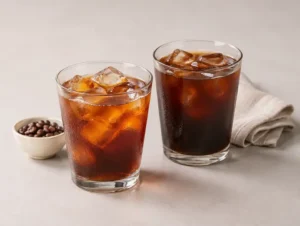 Iced CoffeeKyoto & the Modern Café · Two Ways Cold
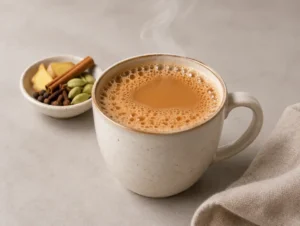 Chai LatteAssam & the Railway Platform · Masala Chai
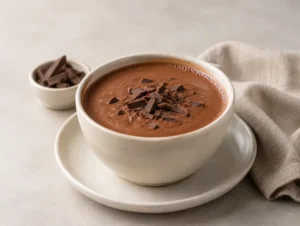 Hot ChocolateMesoamerica, Spain & France · Drinking Chocolate
Chapter 7
Breakfast Around the World
How the world wakes up: the full English, Turkish and Israeli spreads, Japanese breakfast, chilaquiles, ful medames, arepas, and more. Fifteen breakfasts from around the globe.
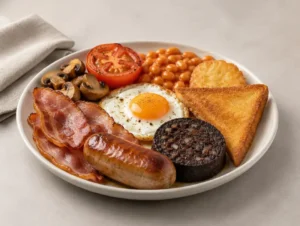 Full English BreakfastEngland · The Fry-Up
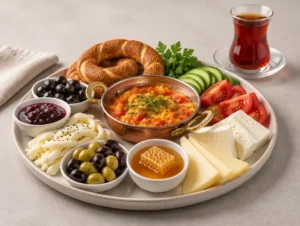 Turkish BreakfastTürkiye · Kahvaltı
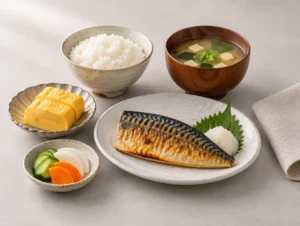 Japanese BreakfastJapan · Ichijū-sansai
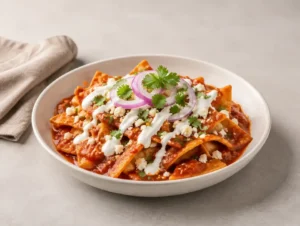 ChilaquilesMexico · Central Mexican Almuerzo
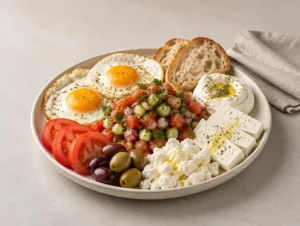 Israeli BreakfastMediterranean · Kibbutz & Hotel Table
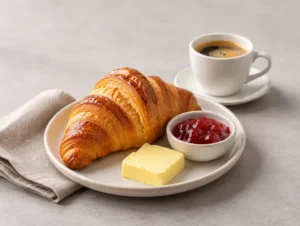 Continental BreakfastEurope · The Hotel Term
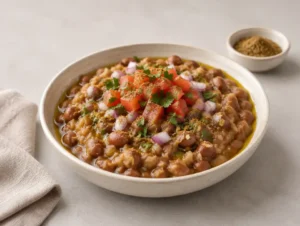 Ful MedamesEgypt · Fuul
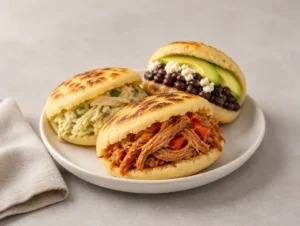 ArepasVenezuela & Colombia · Maize Griddle Cakes
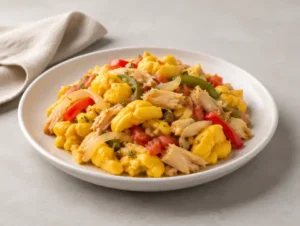 Scrambled AckeeJamaica · Ackee and Saltfish
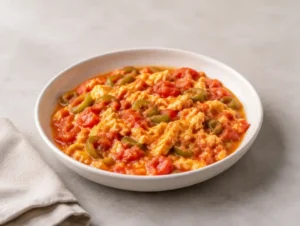 MenemenTürkiye · İzmir Province
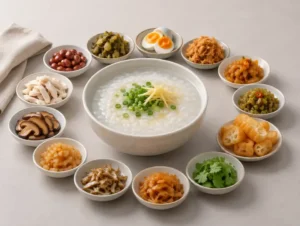 Rice Congee with ToppingsChaoshan & Singapore · Teochew Muay
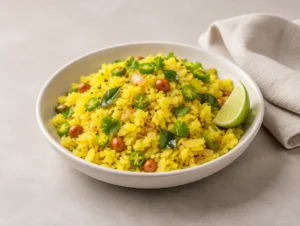 PohaMaharashtra & Madhya Pradesh · Flattened Rice
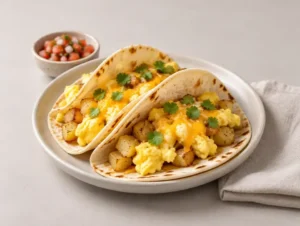 Breakfast TacosSouth & Central Texas · The Taquería Counter
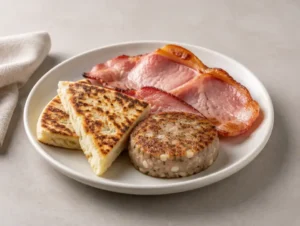 Irish BreakfastIreland · The Ulster Fry
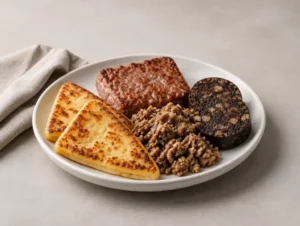 Scottish BreakfastScotland · The B&B Plate