Volume 8 of 12 · 4:30 pm
The Soup Atlas
100 Recipes, Classic to Global. A Cookbook of Soups from Around the World.
- recipes
- 100
- chapters
- 7
- countries
- 34
The Soup Atlas runs from the classic everyday bowls through creamy and pureed soups, hearty stews and chowders, beans and lentils and grains, broths and noodle soups, chilled and light soups, and a closing tour of how the world actually makes soup. One hundred bowls, each with its own history, its own architecture, and its own reasons for being made the way it is.
Before the recipes comes The Soup Kitchen, the reference chapter. It covers stock and why it is the single biggest difference between a good soup and a dull one, the aromatic bases that distinguish one cuisine from another, every legitimate way to give a soup body, seasoning as a process rather than a step, blending and texture, finishing, and how to cool, store and reheat what you have made. Read it once and every recipe that follows will make more sense.
Every recipe opens with its origin label, an image, a spec bar giving yield, method and honest total time, and a structure line. Then comes Origin & History, the ingredients, the method, and Cook’s Notes: the technique that decides success, what can be done ahead, what goes wrong and how to fix it, the variations worth making, and how the soup is served and kept.
The structure line is the through-line of this book. It names the soup’s architecture in four or five parts — the base, the liquid, the body, the acid, the finish — so that you can see how a bowl is built rather than only how it is followed. Read enough of them and the pattern behind almost every soup in the world becomes visible, which is the point at which you can start inventing your own.
Where a recipe depends on something that is itself a preparation — a stock, a spice paste, a sofrito, a tare, a chilli oil, dumplings, croutons, a rouille — it is written out in full inside the recipe that needs it. The Component Index at the back lists every one of them with a batch quantity and the recipe number where it is made, so you can lift any of them out and make a jar for the week.
Measurements are metric first with imperial in parentheses. Soup is forgiving enough that a little imprecision rarely matters, with two exceptions worth taking seriously: salt, where the difference between fine and flaky is a factor of two, and thickeners, where a few grams decide between a broth and a paste. Both have their own tables at the back.
A few standing notes. Never let a stock boil — a bare simmer is what keeps it clear, and the one deliberate exception in this book says so explicitly. Salt in layers as you go rather than all at the end. Add acid late, because it dulls with cooking. Cold soup needs noticeably more salt than hot. And taste the pot every time you add something; that habit will do more for your cooking than any recipe here.
Chapter 1
Classic & Everyday Soups
The bowls you come back to: tomato, chicken noodle, minestrone, and French onion. Fifteen everyday soups built on a good pot of stock.
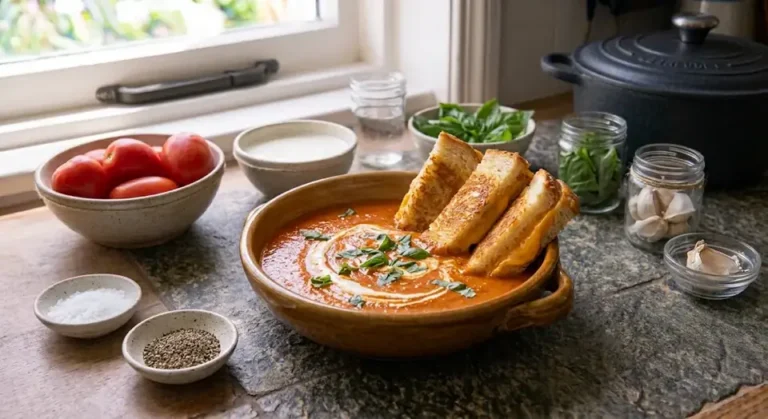
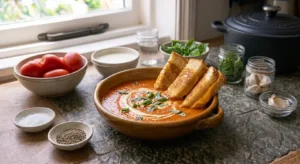 Tomato SoupUnited States · The Condensed Can
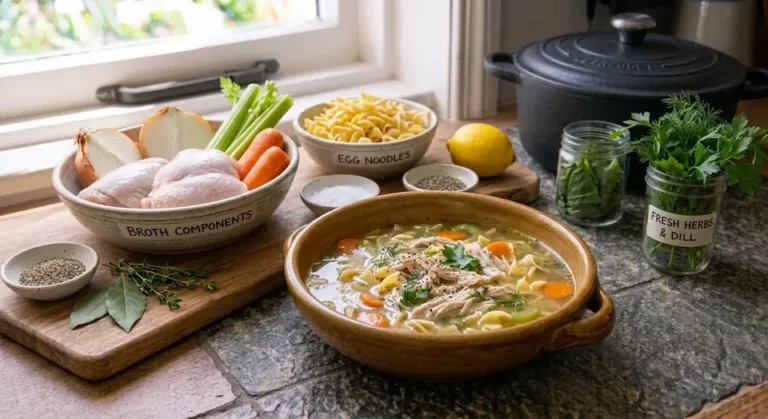
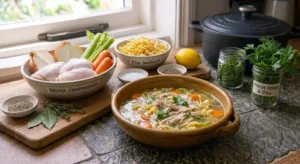 Chicken Noodle SoupUnited States · The Sickbed Bowl
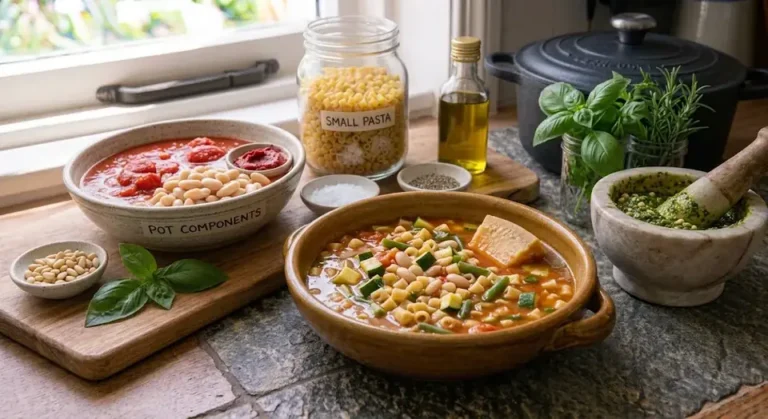
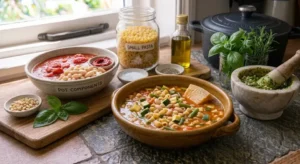 MinestroneItaly · Seasonal and Regional
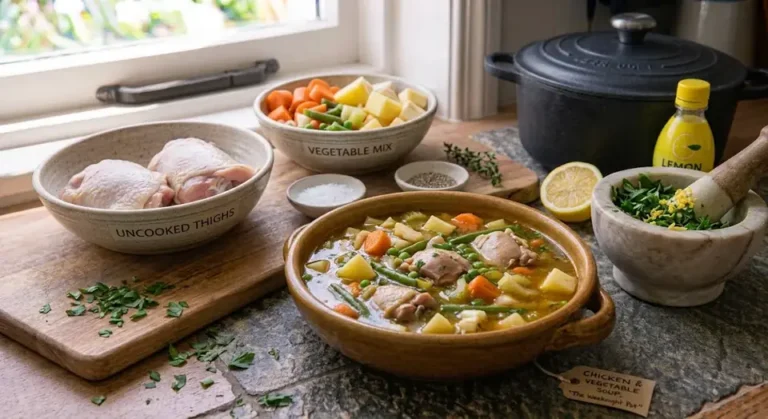
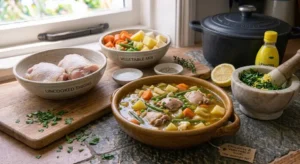 Chicken and Vegetable Soup
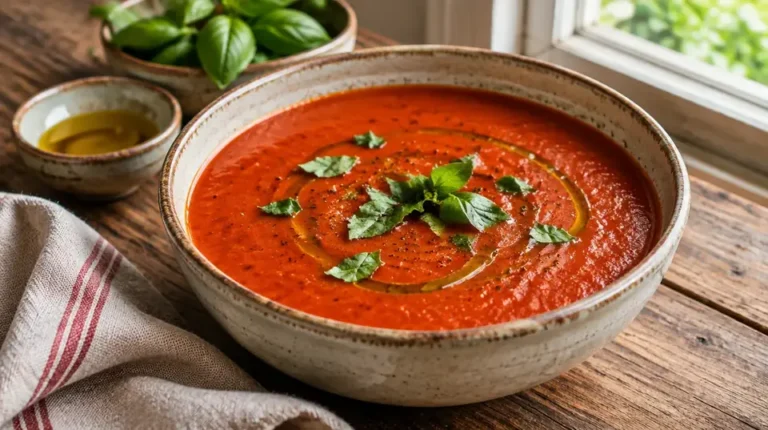
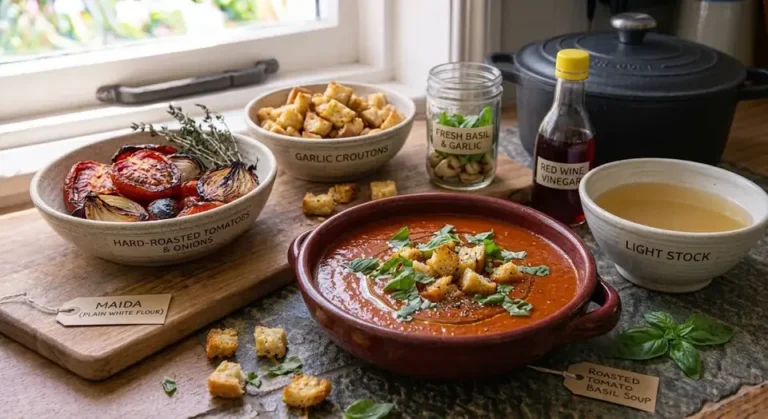
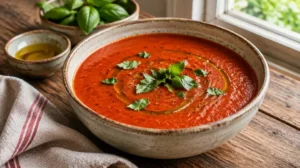 Roasted Tomato BasilItalian-American · High Summer
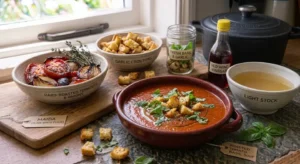 Vegetable Soup
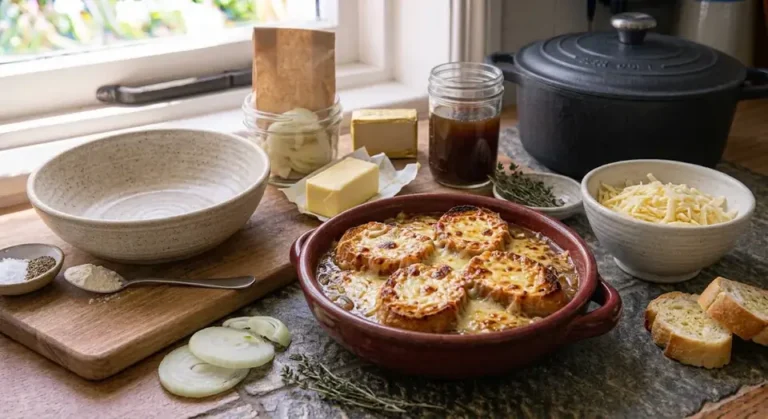
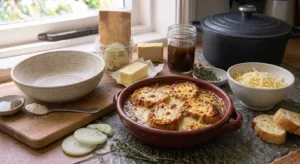 French Onion SoupFrance · Paris and Les Halles
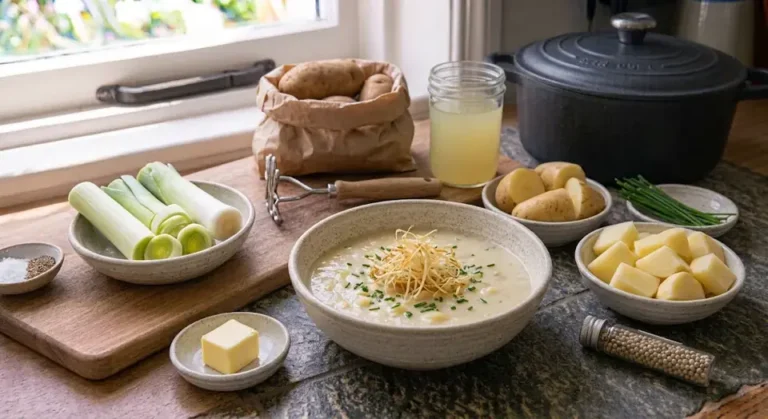
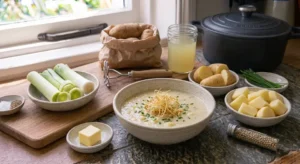 Potato Leek SoupFrance · Potage Parmentier
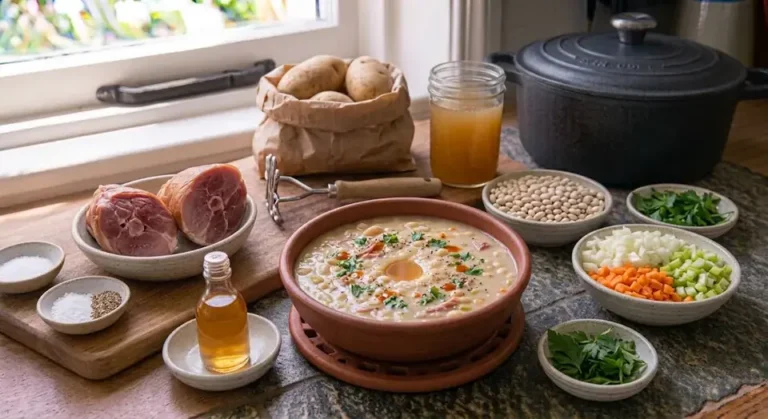
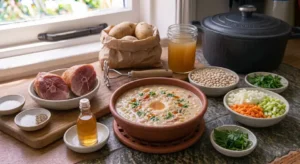 Bean SoupUnited States · The Senate Dining Room
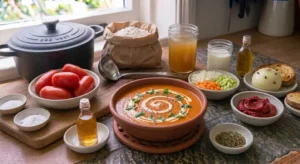 Cream of Tomato
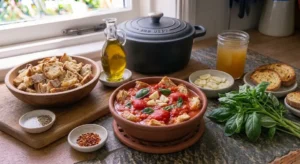 Tomato and Bread SoupItaly · Tuscany
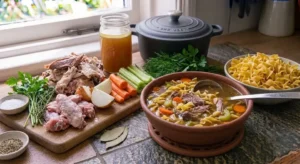 Turkey Noodle SoupUnited States · The Day After
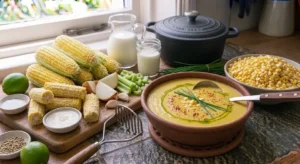 Sweet Corn SoupUnited States · Late Summer
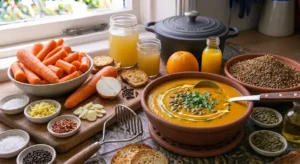 Carrot Soup
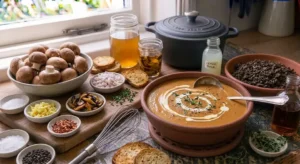 Cream of MushroomFrance · Duxelles and Velouté
Chapter 2
Creamy & Pureed Soups
Velvet in a bowl: butternut, cauliflower, pea, beet, and pumpkin, blended smooth. Fourteen pureed soups and how to get them silky.
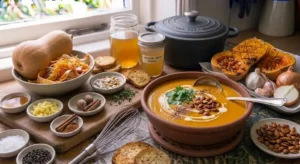 Butternut Squash SoupUnited States · Waltham, Massachusetts
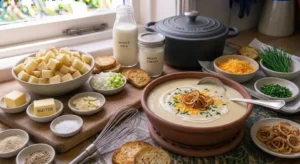 Creamy Potato Soup
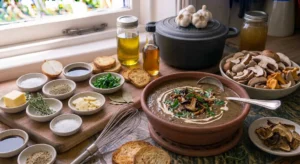 Mushroom SoupItaly · The Porcini Trade
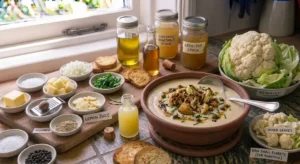 Cauliflower SoupCyprus to Versailles · Crème Du Barry
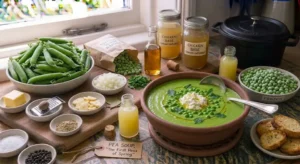 Pea SoupFrance & England · The First Peas of Spring
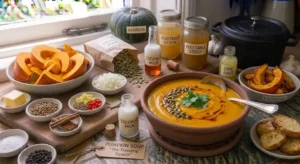 Pumpkin SoupThe Americas · The Traveling Squash
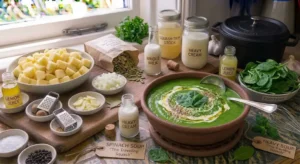 Spinach SoupPersia to Florence · À la Florentine
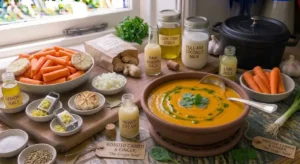 Roasted Carrot & GingerSoutheast Asia to the West · The Ginger Root
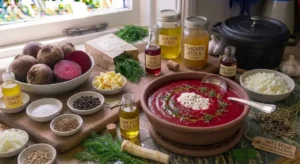 Beet SoupPoland & the Baltic · Beet, Horseradish and Dill
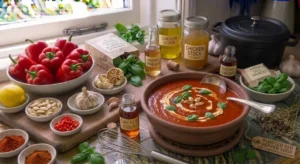 Roasted Red Pepper SoupSpain · La Vera and the Smokehouse
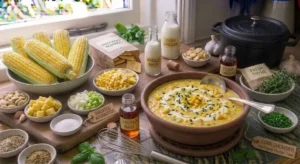 Corn ChowderUnited States · New England
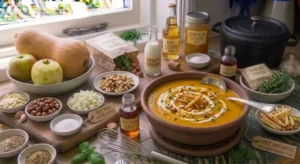 Squash & Apple SoupNormandy & New England · The Cider Harvest
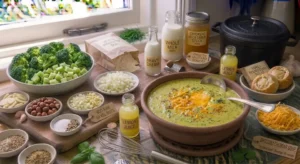 Broccoli Cheddar SoupUnited States · The Bread Bowl
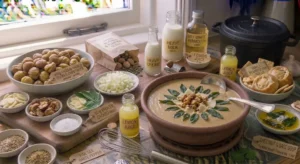 Chestnut & Sage SoupFrance & Italy · The Winter Woods
Chapter 3
Hearty Stews & Chowders
Thick, filling, and slow: beef stew, clam chowder, chili, and gumbo. Fourteen bowls that eat like a full meal.
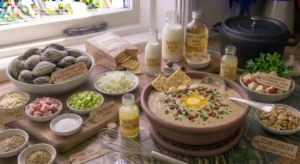 Clam ChowderUnited States · New England
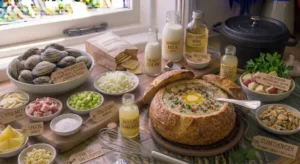 Clam Chowder in a Bread BowlUnited States · San Francisco
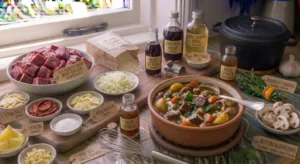 Beef Stew
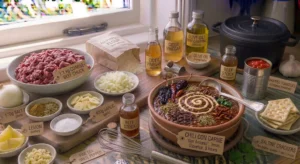 Chili con CarneUnited States · San Antonio, Texas
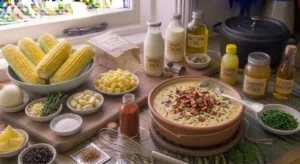 Bacon Corn ChowderUnited States · The Smokehouse
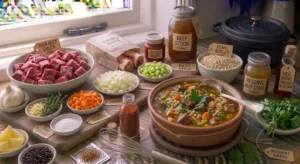 Beef and Barley SoupEurope · The Barley Fields
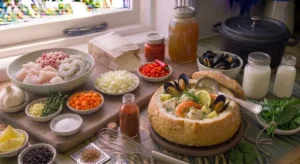 Seafood Chowder in BreadCanada · The Maritimes
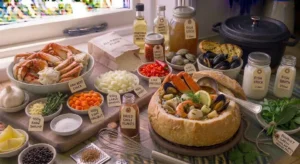 CioppinoUnited States · San Francisco
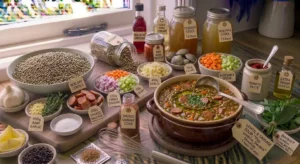 Lentil and Sausage SoupEurope · Puy, Umbria & Swabia
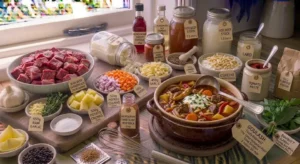 GoulashHungary · The Great Plain
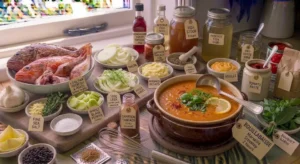 BouillabaisseFrance · Marseille
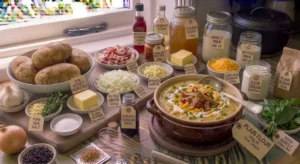 Loaded Potato SoupUnited States · The Diner Counter
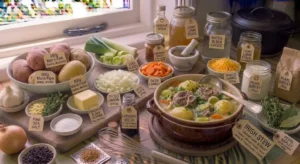 Irish StewIreland · Mutton, Potato, Onion
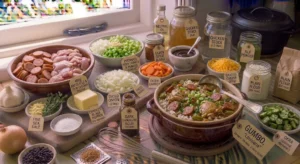 GumboUnited States · Louisiana
Chapter 4
Beans, Lentils & Grains
Cheap, filling, and deeply satisfying: split pea, black bean, ribollita, and pasta e fagioli. Fourteen bowls built on pulses and grains.
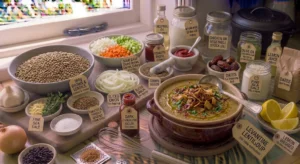 Lentil SoupLevant · The Ramadan Table
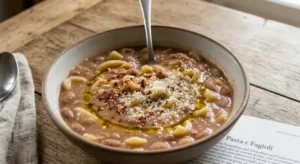 Pasta e FagioliItaly · Naples & the Veneto
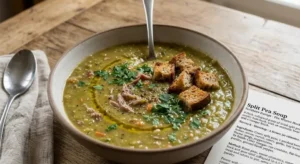 Split Pea SoupNorthern Europe · The Winter Hock
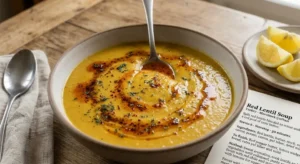 Red Lentil SoupTurkey · Mercimek Çorbası
 RibollitaItaly · Tuscany
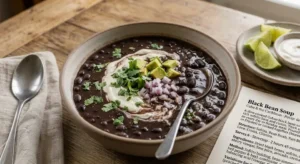 Black Bean SoupCuba & the Caribbean · Potaje de Frijoles Negros
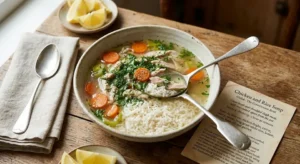 Chicken and Rice Soup
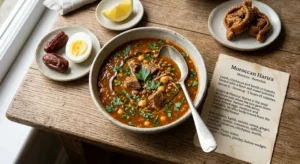 Moroccan HariraMorocco · Ramadan
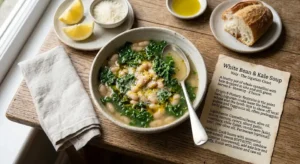 White Bean & Kale SoupItaly · The Ligurian Coast
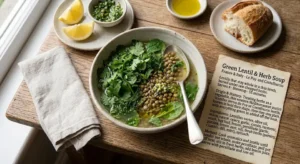 Green Lentil & Herb SoupFrance & Italy · Le Puy and Castelluccio
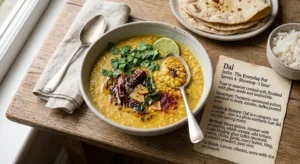 DalIndia · The Everyday Pot
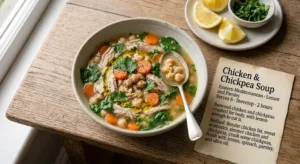 Chicken & Chickpea SoupEastern Mediterranean · Lemon and Parsley
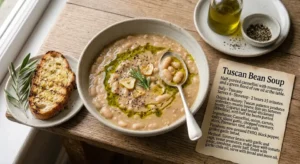 Tuscan Bean SoupItaly · Tuscany
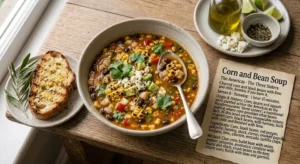 Corn and Bean SoupThe Americas · The Three Sisters
Chapter 5
Broths & Noodle Soups
Clear, deep, and slurped: ramen, pho, wonton, tom yum, and laksa. Fourteen bowls where the broth is the whole point.
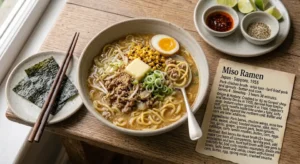 Miso RamenJapan · Sapporo, 1955
 PhoVietnam · Nam Định and Hanoi
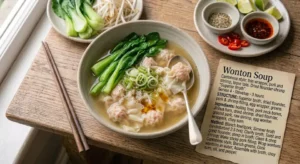 Wonton SoupChina · Guangdong and the Superior Broth
 Chicken Noodle Broth
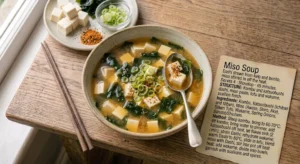 Miso SoupJapan · The Everyday Bowl
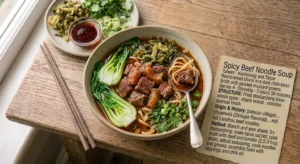 Spicy Beef Noodle SoupTaiwan · Kaohsiung and Taipei
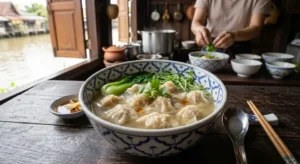 Chicken Wonton SoupChina · Regional Wontons
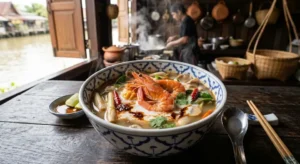 Tom YumThailand · The Central Plains
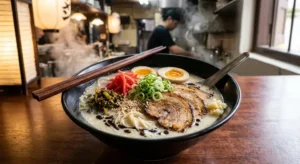 Tonkotsu-Style RamenJapan · Kurume and Hakata
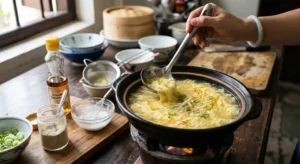 Egg Drop SoupChina · Dàn Huā Tāng
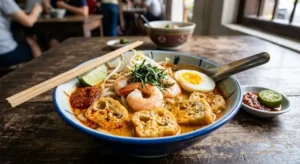 LaksaMalaysia & Singapore · Peranakan
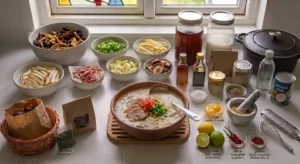 Matzo Ball SoupAshkenazi Jewish · Passover
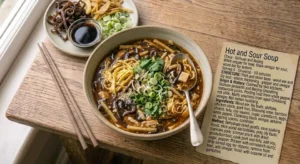 Hot and Sour SoupChina · Sichuan and Beijing
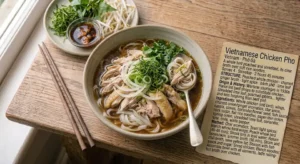 Vietnamese Chicken PhoVietnam · Phở Gà
Chapter 6
Chilled & Light Soups
Served cold and meant to be: gazpacho, vichyssoise, cucumber, and chilled fruit soups. Fourteen bowls for hot weather.
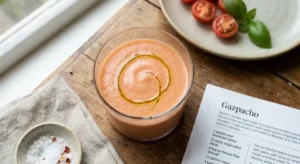 GazpachoSpain · Andalusia, the Modern Bowl
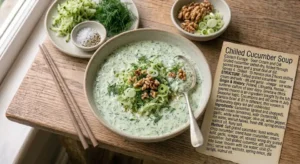 Chilled Cucumber SoupEastern Europe · Sour Cream and Dill
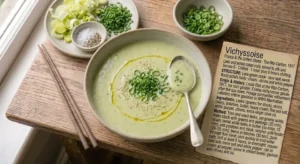 VichyssoiseFrance & the United States · The Ritz-Carlton, 1917
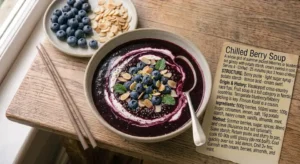 Chilled Berry SoupSweden & Finland · Blåbärssoppa
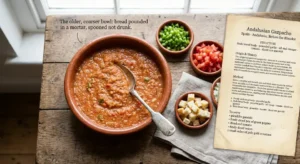 Andalusian GazpachoSpain · Andalusia, Before the Blender
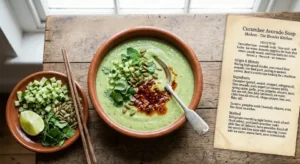 Cucumber Avocado Soup
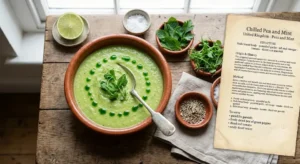 Chilled Pea and MintUnited Kingdom · Peas and Mint
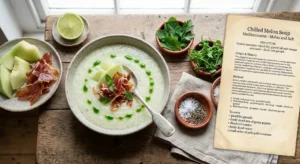 Chilled Melon SoupMediterranean · Melon and Salt
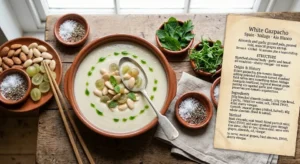 White GazpachoSpain · Málaga · Ajo Blanco
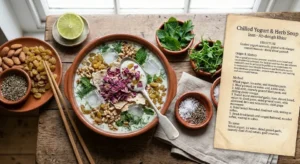 Chilled Yogurt & Herb SoupIran · Ab-doogh Khiar
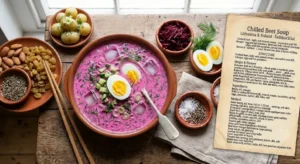 Chilled Beet SoupLithuania & Poland · Šaltibarščiai
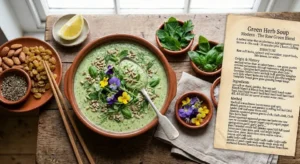 Green Herb Soup
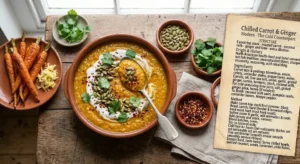
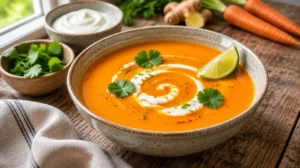 Chilled Carrot & Ginger
 Chilled Cherry SoupHungary · Meggyleves
Chapter 7
Soups Around the World
A global tour: pho, ramen, borscht, gazpacho, tom kha, avgolemono, and caldo verde. Fifteen soups and the places that made them.
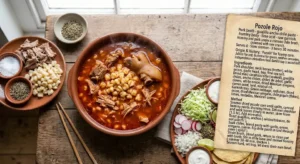 Pozole RojoMexico · Jalisco & Guerrero
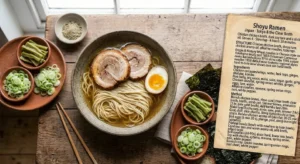 Shoyu RamenJapan · Tokyo & the Clear Broth
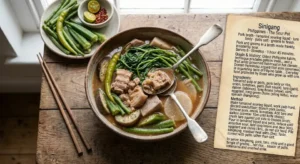 SinigangPhilippines · The Sour Pot
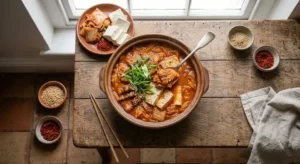 Kimchi JjigaeKorea · The Kitchen Stew
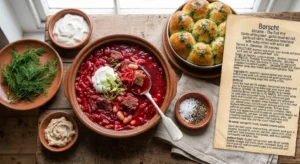 BorschtUkraine · The Full Pot
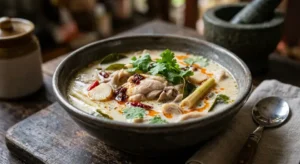 Tom Kha GaiThailand · Coconut and Galangal
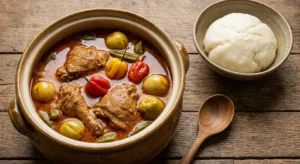 Groundnut SoupWest Africa · Ghana & Nigeria
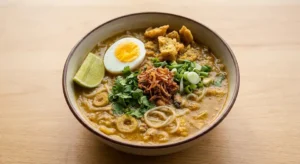 MohingaMyanmar · The National Breakfast
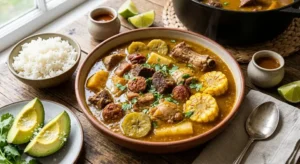 SancochoDominican Republic · The Seven Meats
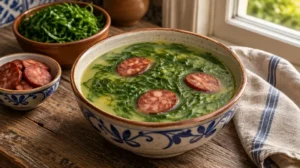 Caldo VerdePortugal · The Minho
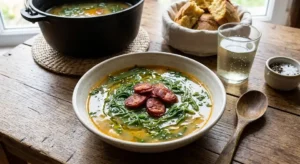 SolyankaRussia · The Tavern Pot
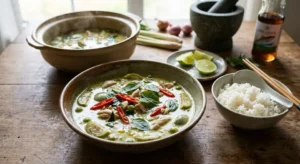 Green Curry SoupThailand · The Thin Green Curry
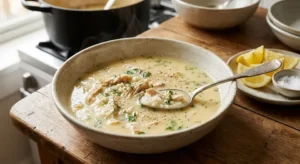 AvgolemonoGreece · The Egg-and-Lemon Bond
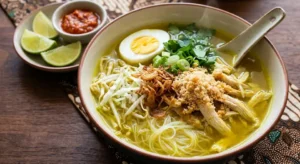 Soto AyamIndonesia · Java
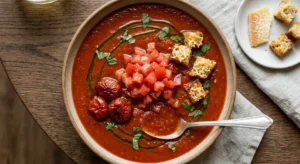 Grand Tomato Soup