Volume 12 of 12 · 10:00 pm
The Pie Atlas
100 Recipes, Classic to Global. A Cookbook of Pies from Around the World.
- recipes
- 100
- chapters
- 7
- countries
- 17
The hundred recipes here are arranged in seven chapters, each built around a way of thinking about pie rather than a single ingredient: fruit pies, custard and cream pies, nut, chocolate and sweet pies, savory pies and pot pies, hand pies and pastries, tarts and open pies, and pies from around the world. Within each chapter the recipes run from the familiar to the unexpected, so a cook who works straight through will build technique in a sensible order. You can also read the book by pastry: nearly every recipe in it is built on one of nine master doughs, and once you can make those nine you can make all one hundred pies.
The book opens with Pastry Fundamentals, and that chapter is not optional reading. It contains the nine master pastry recipes — All-Butter Shortcrust, Pâte Brisée, Pâte Sucrée, Rough Puff, Hot Water Crust, Graham / Digestive Crumb Crust, Chocolate Cookie Crumb Crust, Empanada Dough, and a technique note on working with filo — that every recipe in this book refers to by name. It also carries the reference material the recipes lean on: the physics of flakiness, a comparison of fats, thickeners, egg washes, blind-baking, custards, meringues, and the eight tactics that keep a bottom crust dry. The book closes with a troubleshooting section that works backward from the fault to the cause, charts for thickeners and blind-baking, conversion tables for weight, volume, and oven temperature, a glossary, and a full index.
Every recipe page is laid out the same way. The title carries the recipe number, and beneath it a region tag tells you where the pie comes from. Then a spec bar gives the yield, the oven temperature, and the bake or chill time in a single line, so you can see the shape of the work before you commit to it. A one-sentence description tells you what the pie tastes like. Origins gives a short, true note on where the recipe comes from. The ingredient list gives both volume and weight on every line, with prep state where it matters. The method runs to exactly eight steps, each carrying a reason, a time, a temperature, or a sensory cue. Good to know closes with a point of pastry science that applies beyond the page, and a Tip gives the one thing worth remembering.
Pastry is never listed as a vague quantity. The first line of every ingredient list names the master pastry and states how much of it you need, in the form "1 quantity All-Butter Shortcrust, chilled" or "1/2 quantity Pâte Sucrée, chilled and blind-baked." One quantity of a rolled pastry is enough for a nine-inch double-crust pie or two single shells; half a quantity is a single shell. The master recipes in Pastry Fundamentals are written at full quantity, and halving them is straightforward arithmetic when you work by weight. If a recipe calls for a filling component — a curd, a custard, a caramel, a streusel, a gravy — that component is written out in full in the ingredient list and built in the method. Nothing in this book points at a recipe that does not exist.
Weigh your ingredients. A cup of flour scooped straight from the bag can weigh 140 grams or more; the same cup spooned and leveled weighs about 125. That spread is a fifth of the flour in a single crust, and it is the difference between pastry that rolls and pastry that cracks. Volume measures are given throughout for cooks who prefer them, and they are internally consistent, but the weights are the true recipe. Finally, and above every number in this book: doneness beats the clock. Pastry is done when it is an even biscuit brown, not when the timer sounds. A custard is done when the center wobbles as a single mass and reads 170 to 175°F (77 to 79°C), and it is pulled before it looks finished because carryover heat completes the set. And a fruit pie is done when the filling bubbles thickly at the CENTER of the pie, not at the edge. The edge always bubbles first; if you take the pie out then, the starch at the middle has never reached the temperature at which it gels, and the slice will run.
Chapter 1
Fruit Pies
The classics of the pie table: apple, cherry, blueberry, and peach under lattice, crumble, and golden crusts. Fifteen fruit pies for every season.
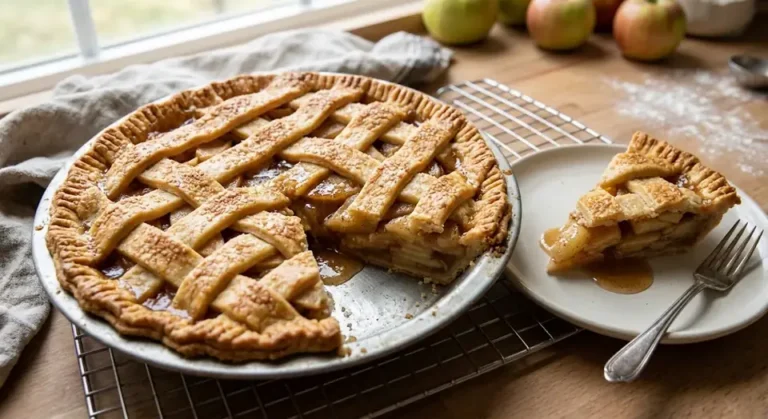
 Classic Apple PieUnited States
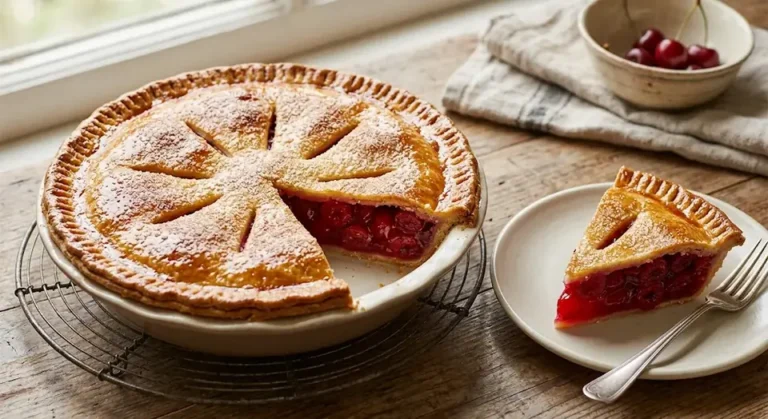
 Cherry PieUnited States
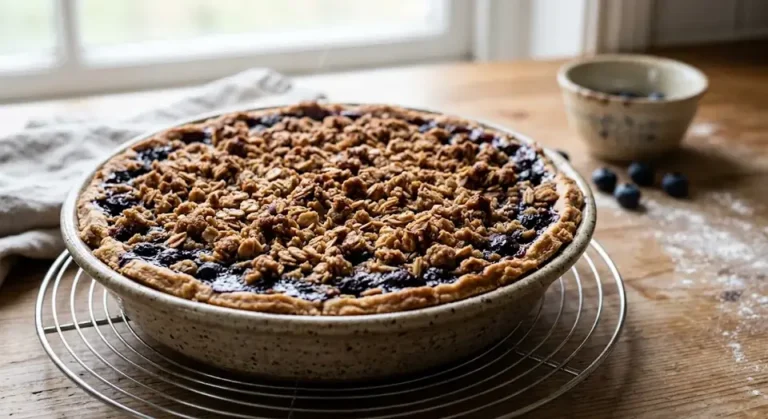
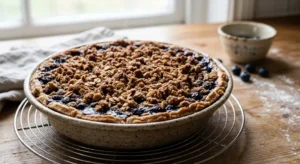 Blueberry Crumble PieUnited States
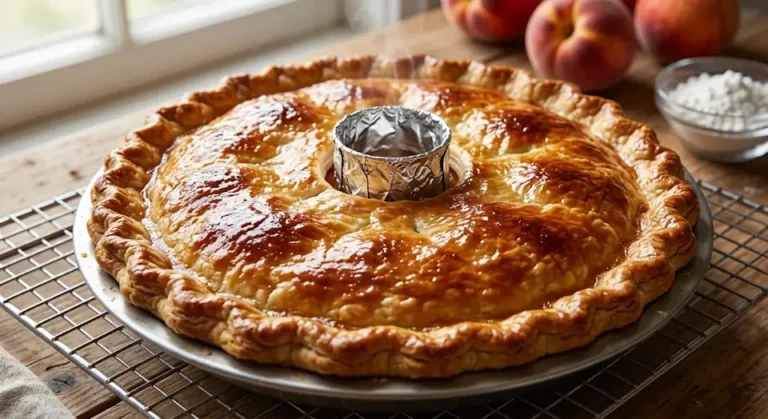
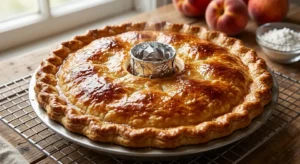 Peach PieUnited States
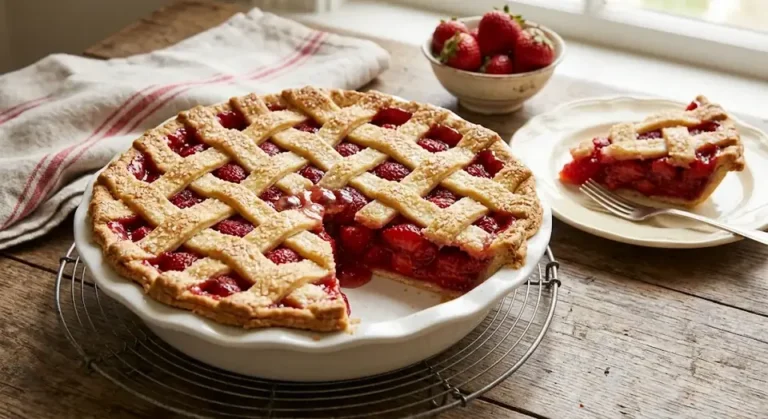
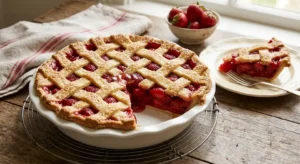 Strawberry PieUnited States
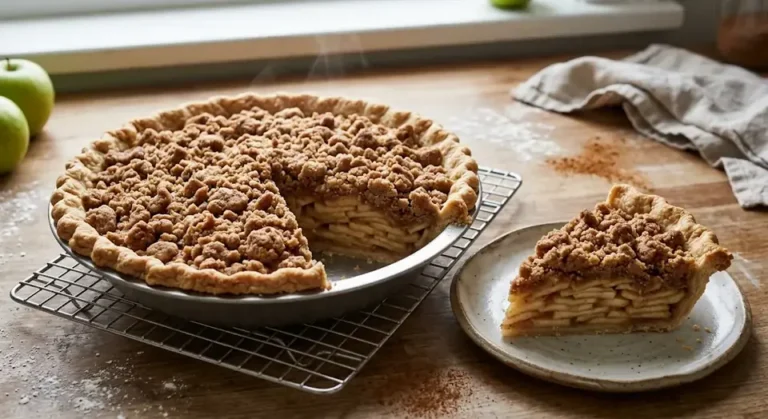
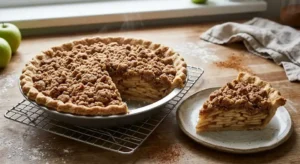 Dutch Apple PieUnited States
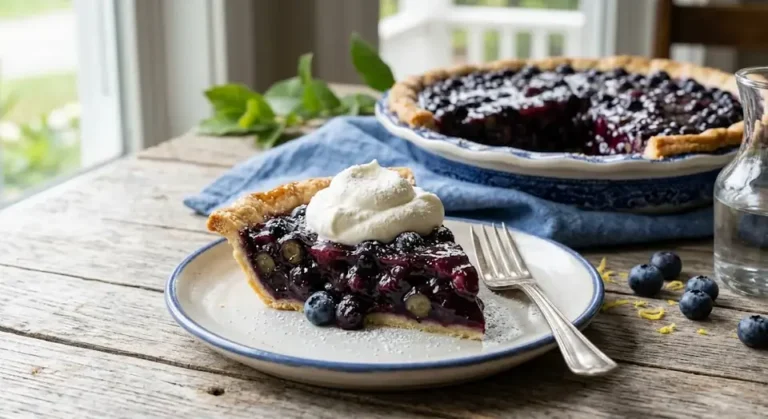
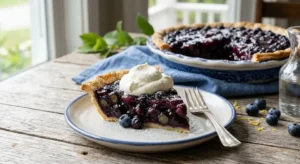 Blueberry PieUnited States
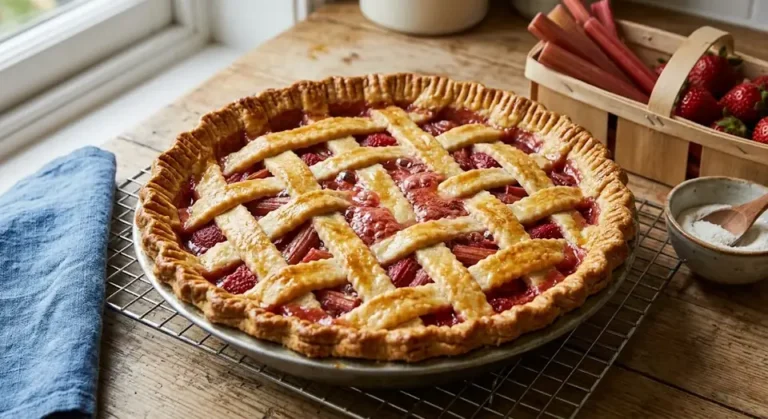
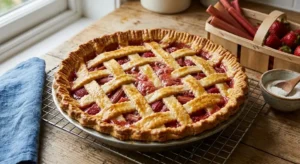 Strawberry Rhubarb PieUnited States
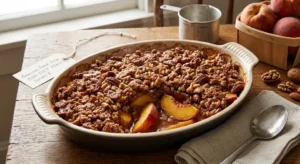 American Peach CrispUnited States
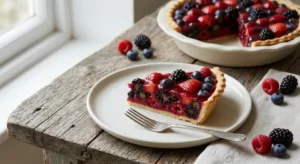 Mixed Berry PieUnited States
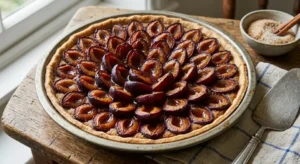 Plum PieEurope
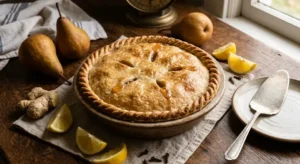 Pear PieEurope
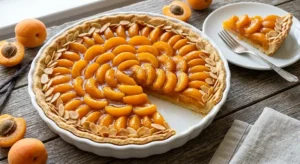 Apricot PieEurope
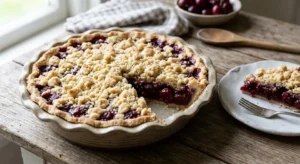 Cherry Crumble PieUnited States
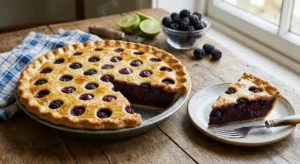 Blackberry PieUnited States
Chapter 2
Cream & Custard Pies
Smooth, silky, and set: lemon meringue, banana cream, pumpkin, custard, and key lime. Fourteen soft-set pies to chill and slice.
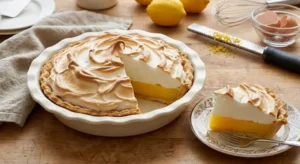 Lemon Meringue PieUnited States
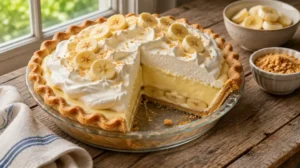 Banana Cream PieUnited States
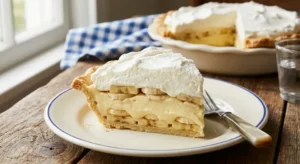 Coconut Cream PieUnited States
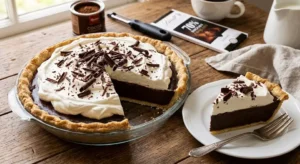 Chocolate Cream PieUnited States
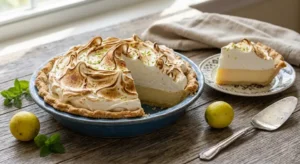 Key Lime PieUnited States
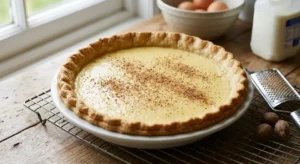 Custard PieUnited States
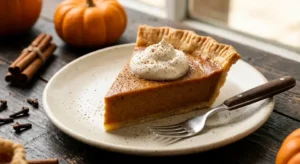 Pumpkin PieUnited States
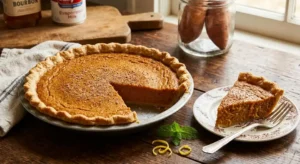 Sweet Potato PieAmerican South
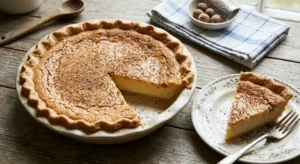 Buttermilk PieAmerican South
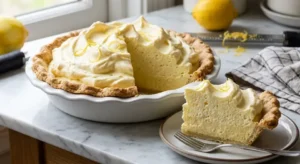 Lemon Chiffon PieUnited States
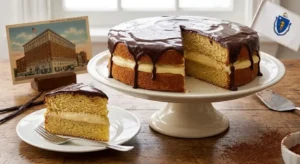 Boston Cream PieUnited States
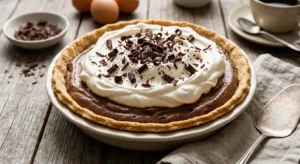 French Silk PieUnited States
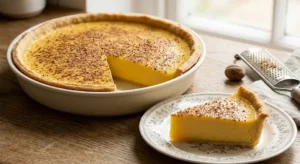 Egg Custard PieUnited Kingdom
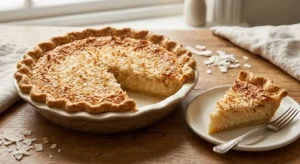 Coconut Custard PieUnited States
Chapter 3
Nut, Chocolate & Sweet Pies
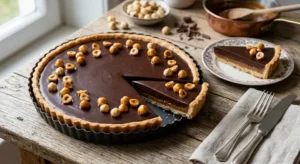
The rich, indulgent end of the table: pecan, chocolate, peanut butter, and old-fashioned sweet pies. Fourteen decadent slices.
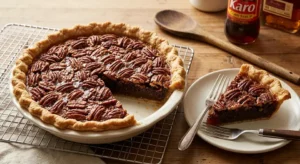 Pecan PieAmerican South
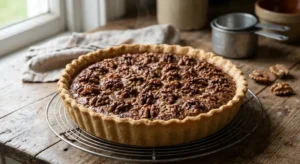 Walnut PieUnited States
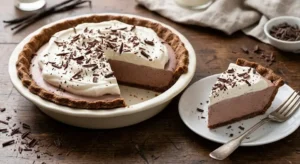 Chocolate Silk PieUnited States
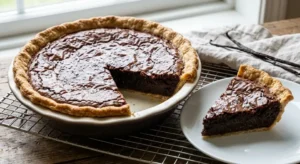 Chocolate Fudge PieUnited States
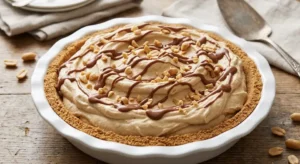 Peanut Butter PieUnited States
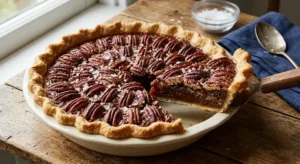 Caramel Pecan PieUnited States
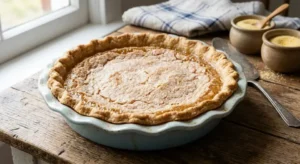 Chess PieAmerican South
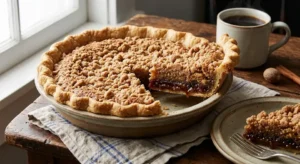 Shoofly PieUnited States (Pennsylvania Dutch)
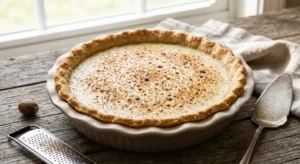 Sugar Cream PieUnited States (Indiana)
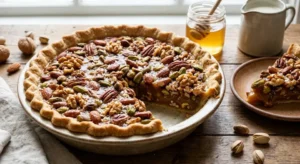 Caramel Nut PieUnited States
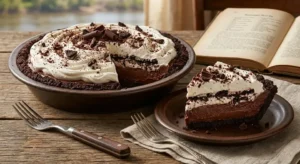 Mississippi Mud PieAmerican South
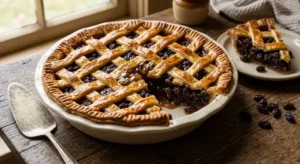 Raisin PieUnited States
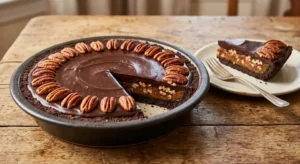 Turtle PieUnited States
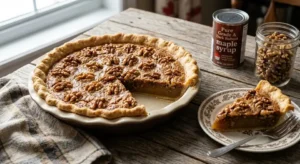 Maple Walnut PieCanada
Chapter 4
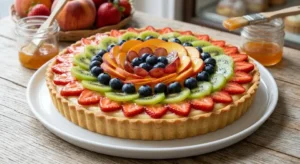
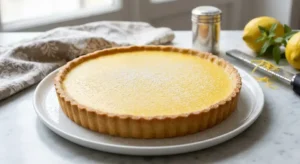
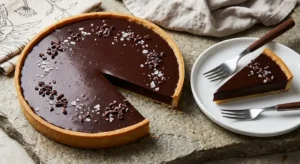
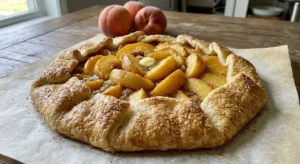
Tarts & Galettes
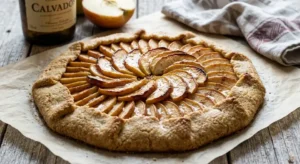
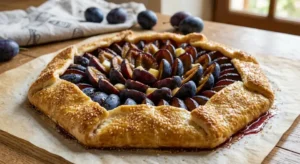
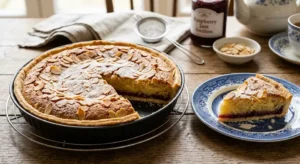
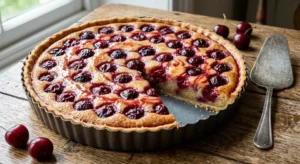
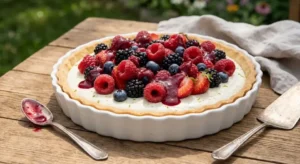
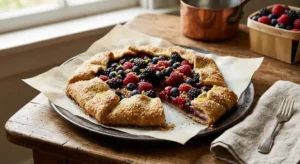
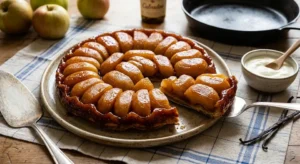
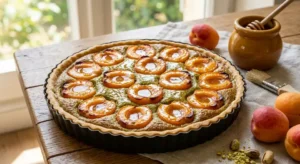
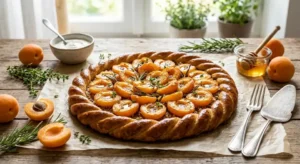
Free-form and fluted: fresh fruit tarts, frangipane, and rustic galettes. Fourteen open-faced pies where the fruit is the star.
Chapter 5
Savory Pies & Pot Pies
Dinner in a crust: chicken pot pie, steak and ale, fish pie, and quiche. Fourteen hearty savory pies to serve warm.
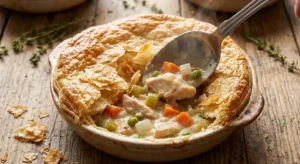 Chicken Pot PieUnited States
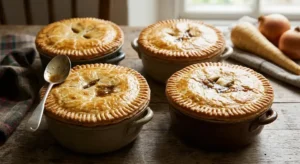 Beef Pot PieUnited Kingdom
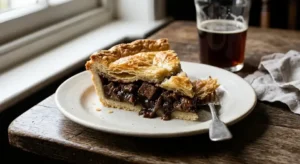 Steak and Ale PieUnited Kingdom
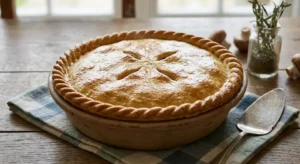 Chicken and Mushroom PieUnited Kingdom
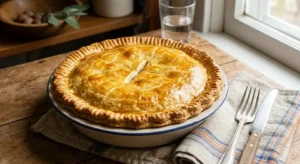 Turkey Pot PieUnited States
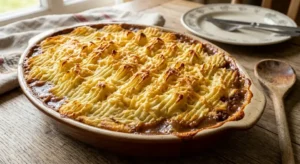 Cottage PieUnited Kingdom
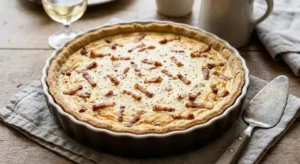 Quiche LorraineFrance
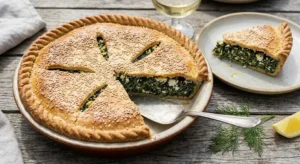 Spinach PieMediterranean
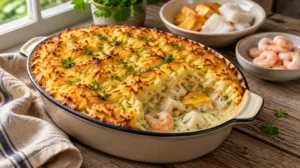 Fish PieUnited Kingdom
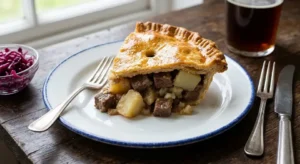 Meat and Potato PieUnited Kingdom
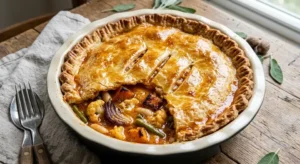 Vegetable Pot PieUnited States
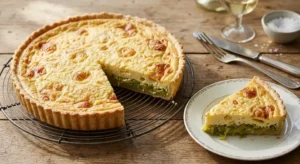 Leek and Cheese TartFrance
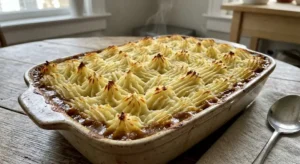 Shepherd’s PieUnited Kingdom / Ireland
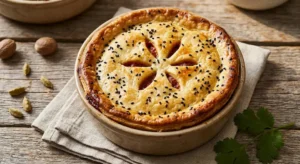 Curry Pot Pie
Chapter 6
Hand Pies & Turnovers
Pie you can hold: apple turnovers, empanadas, hand pies, and pasties, sweet and savory. Fourteen portable pies.
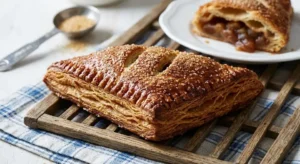 Apple TurnoverEurope / United States
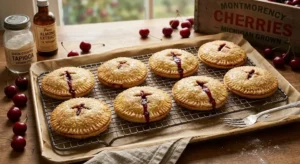 Cherry Hand PieUnited States
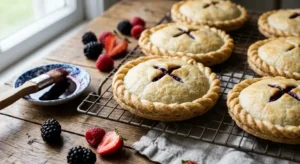 Berry Hand PiesUnited States
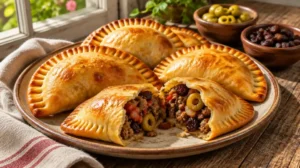 Beef EmpanadasLatin America
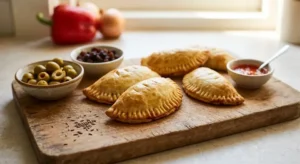 Cornish PastyUnited Kingdom
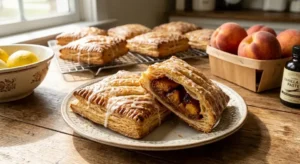 Peach TurnoverUnited States
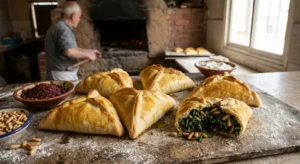 Spinach Hand PiesMediterranean
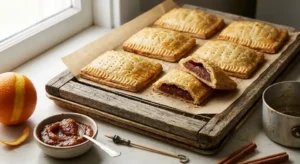 Apricot Hand PiesUnited States
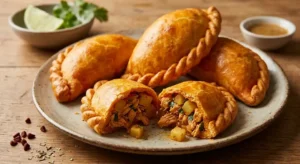 Chicken EmpanadasLatin America
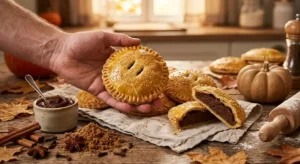 Pumpkin Hand PiesUnited States
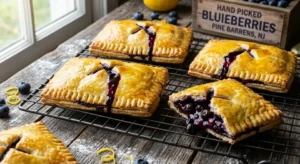 Blueberry Hand PiesUnited States
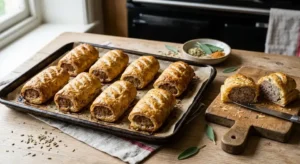 Sausage RollsUnited Kingdom
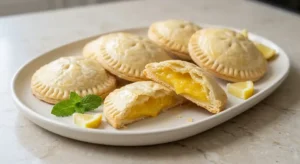 Lemon Hand PiesUnited States
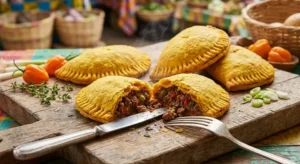 Jamaican Beef PattiesJamaica
Chapter 7
Pies Around the World
How the world bakes its pies: tourtière, Aussie meat pie, banoffee, tarte tatin, and spanakopita. Fifteen pies from around the globe.
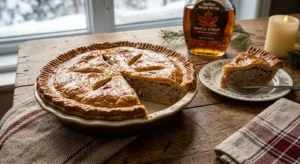 TourtièreCanada (Quebec)
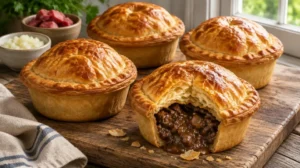 Aussie Meat PieAustralia
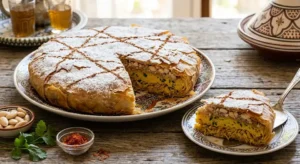 PastillaMorocco
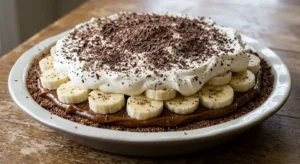 Banoffee PieUnited Kingdom
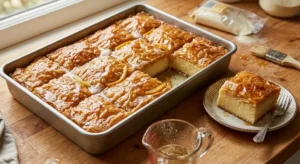 GalaktobourekoGreece
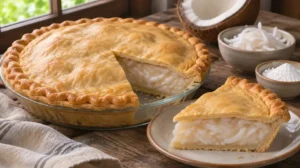 Buko PiePhilippines
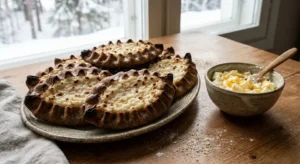 Karelian PieFinland
 Pastel de ChocloChile
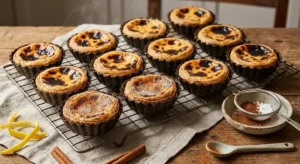 Portuguese Custard TartPortugal
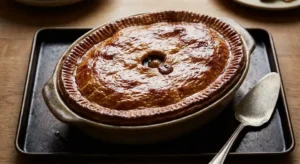 Steak and Kidney PieUnited Kingdom
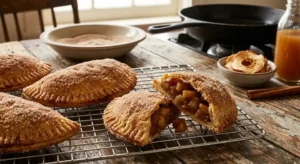 Fried Apple PiesAmerican South
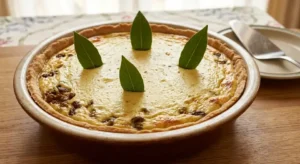 Bobotie PieSouth Africa
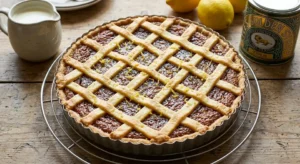 Treacle TartUnited Kingdom
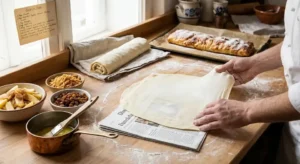 Apple StrudelAustria
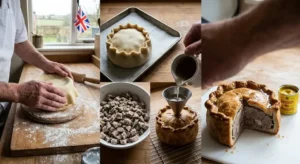 Melton Mowbray Pork PieUnited Kingdom