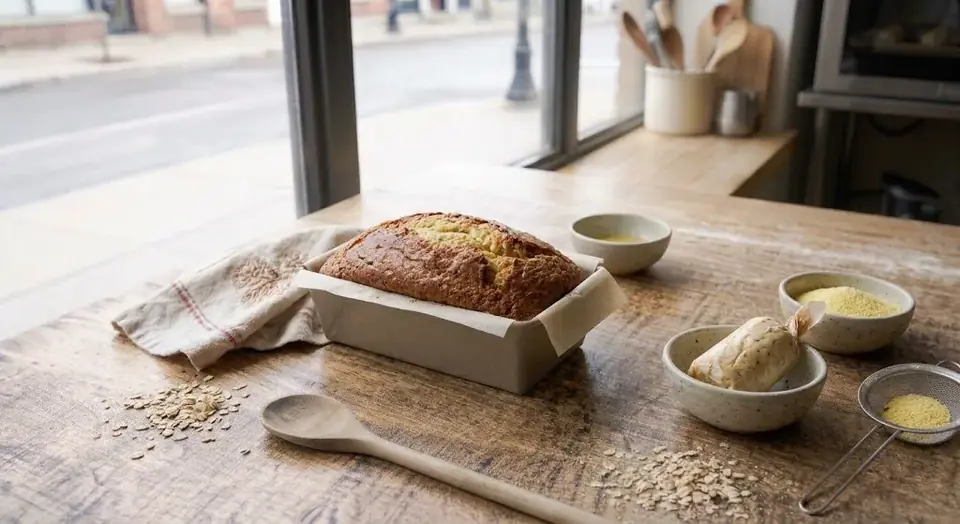
American North · The Sweet Side of the Argument · 39.87° N, 98.73° W
Sweet Corn Muffin Loaf
The northern cornbread: sweet, cake-like, and eaten with honey butter.
At a glance.
Sweet Corn Muffin Loaf comes from American North · The Sweet Side of the Argument and appears in The Bread Atlas, in the chapter Quick Breads & Batter Loaves. It makes 1 loaf, is made by oven 190°c / 375°f, and uses 11 ingredients and 11 steps.
- Yield
- Makes 1 loaf
- Method
- Oven 190°C / 375°F, 1½ hours
Ingredients
Tap an ingredient to tick it off.
- The Loaf
- Honey Butter
Method
-
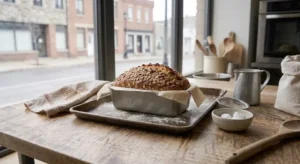
Heat the oven to 190°C / 375°F with a rack in the middle, and grease and line a 900 g loaf tin. This bread is baked in a tin, not a skillet: there is enough sugar and wheat flour here to brown on its own, and a searing hot pan would only scorch the crust before the middle set.
-
Choose a fine grind. A coarse stone-ground meal gives a gritty, crumbly loaf that fights the cake-like texture this recipe is aiming for. Fine degerminated meal, the standard American supermarket product, is the right choice for once and gives a smoother crumb.
-
Whisk the cornmeal, flour, sugar, baking powder and salt together thoroughly. Notice the proportions: equal weights of cornmeal and wheat flour, and sugar at a third of the total grain. This is the northern formula, and it is a different recipe from the southern skillet loaf, not a variation on it.
-
Whisk the milk and eggs in a jug, then pour in the melted butter in a steady stream while whisking, so it emulsifies rather than setting into flecks on the surface of the cold milk.
-
Pour the wet into the dry in one addition. Fold with a spatula — 12 to 15 strokes, counting them — and stop while a few streaks of dry flour are still visible on the surface of the batter.
-
Let it stand exactly 10 minutes. This is the one batter in the chapter that benefits from a pause: the cornmeal softens and hydrates, which removes the grittiness, and double-acting baking powder holds enough of its lift in reserve to survive the wait.
-
Scrape into the tin and level the top. The batter should be thick and pourable, dropping from the spatula in a heavy ribbon. If it looks thin, the cornmeal was very fine and it will still bake correctly, only flatter.
-
Bake 35–40 minutes, until domed, deep gold and split along the crown, with a skewer coming out clean and the centre reading 96°C. A cake-style corn loaf overbakes quickly and turns dry and sandy in the last five minutes, so check early.
-
Meanwhile, make the honey butter. Beat the softened butter until pale, then beat in the honey a little at a time until fully incorporated and the mixture is light and spreadable. Fold in the crushed flaky salt at the end so it stays in crystals rather than dissolving.
-
Roll the honey butter into a log in parchment and refrigerate 30 minutes, or leave it soft in a bowl if the loaf is going straight to the table. It keeps 2 weeks refrigerated and is worth making whenever the oven is on.
-
Cool the loaf in the tin 15 minutes, then turn out onto a rack for another 20. Serve it warm, in thick slices, with the honey butter softening into the cut face. Cold, it wants toasting.
Cook’s notes
- To serve and keep
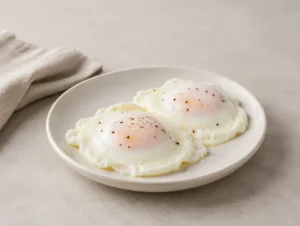
- Cut thick and spread with honey butter while still warm — this is a bread for the bread basket at a barbecue, or for breakfast beside eggs. It also goes with chili, where its sweetness is doing the job a spoonful of sugar does in a chili pot. Keep it wrapped at room temperature.

Where it comes from
The sugar in this loaf is the subject of the longest-running argument in American baking, and it deserves a fair hearing on both sides. Southern cooks hold that cornbread is bread — savory, made to be eaten with beans and greens — and that sugar turns it into cake. Northern cooks, working from recipes that have carried sugar and a large proportion of wheat flour since the nineteenth century, hold that a sweet, tender corn loaf is a distinct and legitimate food, not a corrupted version of somebody else's. The historical record complicates both positions: early American cornbread was largely unsweetened everywhere, and sugar entered northern recipes as refined sugar became cheap. One frequently offered explanation is that northern flint corn is harder and less sweet than southern dent corn and wanted the help; the argument is plausible but not settled. What is certain is the twentieth-century verdict — Chelsea Milling's Jiffy corn muffin mix, made in Michigan and sweet by design, has defined cornbread for millions of Americans.
Sweet Corn Muffin Loaf: quick answers
How many does this Sweet Corn Muffin Loaf recipe make?
This recipe makes 1 loaf.
Where does Sweet Corn Muffin Loaf come from?
The sugar in this loaf is the subject of the longest-running argument in American baking, and it deserves a fair hearing on both sides. Southern cooks hold that cornbread is bread — savory, made to be eaten with beans and greens — and that sugar turns it into cake. Northern cooks, working from recipes that have carried sugar and a large proportion of wheat flour since the nineteenth century, hold that a sweet, tender corn loaf is a distinct and legitimate food, not a corrupted version of somebody else's. The historical record complicates both positions: early American cornbread was largely unsweetened everywhere, and sugar entered northern recipes as refined sugar became cheap. One frequently offered explanation is that northern flint corn is harder and less sweet than southern dent corn and wanted the help; the argument is plausible but not settled. What is certain is the twentieth-century verdict — Chelsea Milling's Jiffy corn muffin mix, made in Michigan and sweet by design, has defined cornbread for millions of Americans.
More from United States


More in Quick Breads & Batter Loaves
https://www.atlasserie.com/recipes/bread/sweet-corn-muffin-loaf/