United States · Diner Cooking · 39.87° N, 98.73° W
Hash Browns
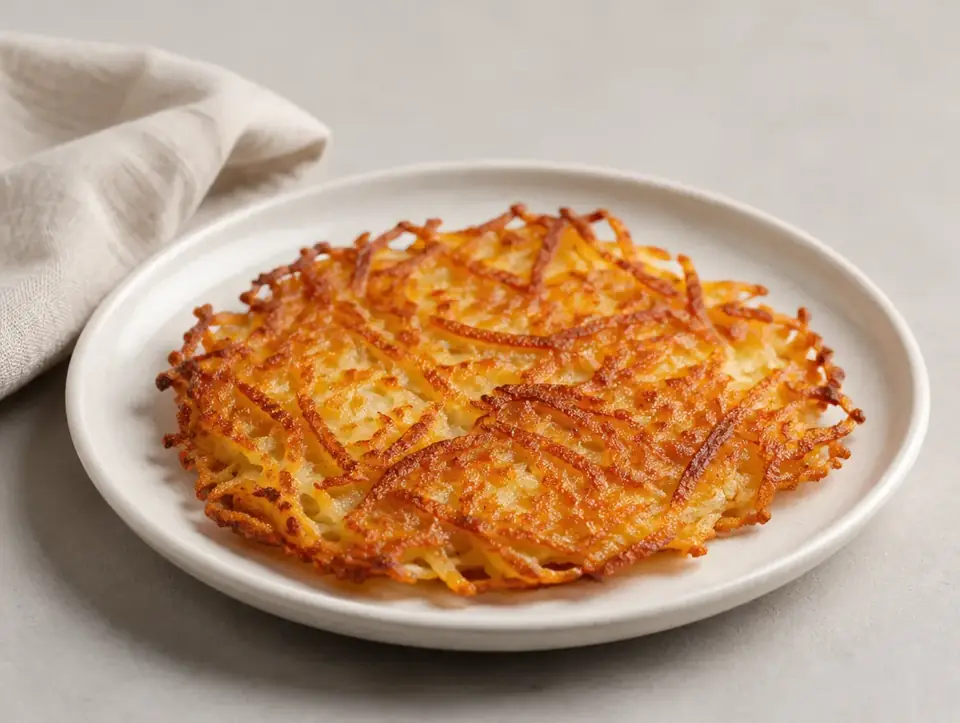
One shredded cake, pressed thin, left alone until the base lacquers.
At a glance.
Hash Browns comes from United States · Diner Cooking and appears in The Breakfast Atlas, in the chapter Bacon, Sausage & Hash. It serves 4, takes about 30 minutes, and uses 6 ingredients and 8 steps.
- Yield
- Serves 4
- Method
- Stovetop
- Time
- 30 minutes
Ingredients
Tap an ingredient to tick it off.
Method
-
Grate the peeled potatoes on the coarse holes of a box grater straight into a large bowl of cold water. Work quickly; exposed potato oxidizes to gray within minutes.
-
Swish the shreds with your hand, drain, and refill with fresh cold water. Repeat two or three times until the water stays clear rather than clouding milky.
-
Tip the shreds into the center of a clean tea towel, gather the corners and wring hard over the sink. You should extract 100 ml or more of liquid; keep wringing until almost nothing comes.
-
Let that squeezed liquid stand for two minutes, pour off the water and scrape the chalky white starch from the bottom of the bowl back into the potato. It is the only binder the cake gets.
-
Fluff the shreds with a fork, then season with the fine salt and white pepper immediately before cooking — salt any earlier and it draws out the water you just removed.
-
Heat the clarified butter in a 24 cm heavy skillet over medium until it shimmers, then add all the potato and press it into an even cake about 1.5 cm deep, leaving a finger's width of clear pan around the edge.
-
Cook undisturbed for 6–8 minutes. Resist every urge to lift and look. The edges will turn translucent gold and the smell will shift from raw starch to toasted bread.
-
Slide the cake onto a plate, invert a second plate over it and flip. Melt the remaining butter in the pan, slide the cake back in raw side down and cook 5–6 minutes more, then sprinkle with flaky salt and cut into wedges.
Cook’s notes
- The technique
- Rinsing then squeezing does two separate jobs. The rinse carries off free surface starch, which would otherwise gum the shreds into a paste; the squeeze removes water, which would otherwise boil the potato from within and stop the surface ever reaching browning temperature. Returning the settled starch afterwards gives just enough glue to hold a cake together. Wet, unrinsed potato produces the gray, gluey slab that gives home hash browns their bad name.
- Make ahead
- Grated potato does not hold, even under water — it turns gray and leaches. Instead, cook the cake fully, cool it on a rack, refrigerate up to two days and recrisp in a dry 200°C oven for 8 minutes. Cooked cakes also freeze well, wrapped flat.
- Troubleshooting
- Gray cake — potato sat exposed to air; keep it submerged until the moment of wringing. Falls apart on the flip — not squeezed dry enough, or flipped before the base crust set. Raw in the middle — the cake is thicker than 1.5 cm; spread it wider rather than raising the heat.
- Variations
- Swiss rösti uses parboiled, chilled potatoes grated coarse and cooked in butter, often with bacon or Gruyère. A Scandinavian-leaning version folds in grated onion and a beaten egg. American diner-style is cooked loose and scattered rather than as a single cake, sometimes ordered scattered, smothered and covered. A gluten-free cook needs to change nothing; potato starch is the only binder.
- Serve with
- With eggs over easy, so the yolk runs into the crust, plus bacon and hot sauce. Ketchup is standard and unapologetic. Filter coffee, refilled. Fried onions on the side if you are feeling expansive.

Where it comes from
Hashed brown potatoes turn up in American cookery writing well before the dish acquired its shortened name, appearing in recipe columns and household manuals from the 1880s as a way of using cold boiled potatoes. The frequently repeated claim that the dish was created at New York's Waldorf in the 1890s, sometimes credited to its long-serving maître d'hôtel Oscar Tschirky, deserves caution: the printed record runs earlier than the hotel, and the story looks more like the fame of a grand kitchen attaching itself to an existing dish than an act of invention. What the twentieth century did give hash browns was the diner. A short-order griddle could hold a dozen portions of pre-shredded potato in reserve and turn out a cake in six minutes flat, which made it the default American breakfast side. Industrial freezing followed: the Oregon-Idaho company, founded in 1952, put shredded potato in the freezer aisle, and fast-food chains later standardized the fried oval patty that most people under fifty picture first when they hear the words.
Hash Browns: quick answers
How long does Hash Browns take?
About 30 minutes.
How many does this Hash Browns recipe make?
This recipe serves 4.
Where does Hash Browns come from?
Hashed brown potatoes turn up in American cookery writing well before the dish acquired its shortened name, appearing in recipe columns and household manuals from the 1880s as a way of using cold boiled potatoes. The frequently repeated claim that the dish was created at New York's Waldorf in the 1890s, sometimes credited to its long-serving maître d'hôtel Oscar Tschirky, deserves caution: the printed record runs earlier than the hotel, and the story looks more like the fame of a grand kitchen attaching itself to an existing dish than an act of invention. What the twentieth century did give hash browns was the diner. A short-order griddle could hold a dozen portions of pre-shredded potato in reserve and turn out a cake in six minutes flat, which made it the default American breakfast side. Industrial freezing followed: the Oregon-Idaho company, founded in 1952, put shredded potato in the freezer aisle, and fast-food chains later standardized the fried oval patty that most people under fifty picture first when they hear the words.
More from United States


More in Bacon, Sausage & Hash
 Crispy BaconBritain & United States · Cured Pork
 Breakfast Sausage LinksUnited States · Fresh Cased Sausage
 Sausage PattiesAmerican South & Midwest · Country Sausage
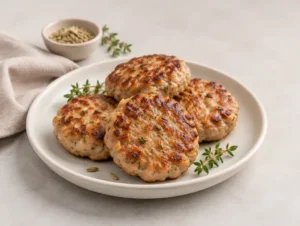 Turkey Sausage PattiesUnited States · Lean Breakfast Meats
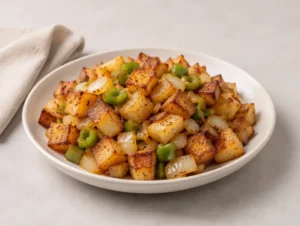 Home FriesUnited States · Diner Griddle
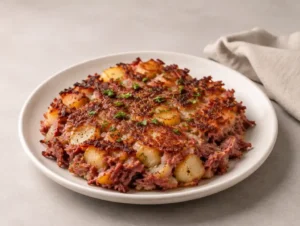 Corned Beef HashIreland & New England · Salt Beef
https://www.atlasserie.com/recipes/breakfast/hash-browns/