Britain & United States · Cured Pork · 39.87° N, 98.73° W
Crispy Bacon
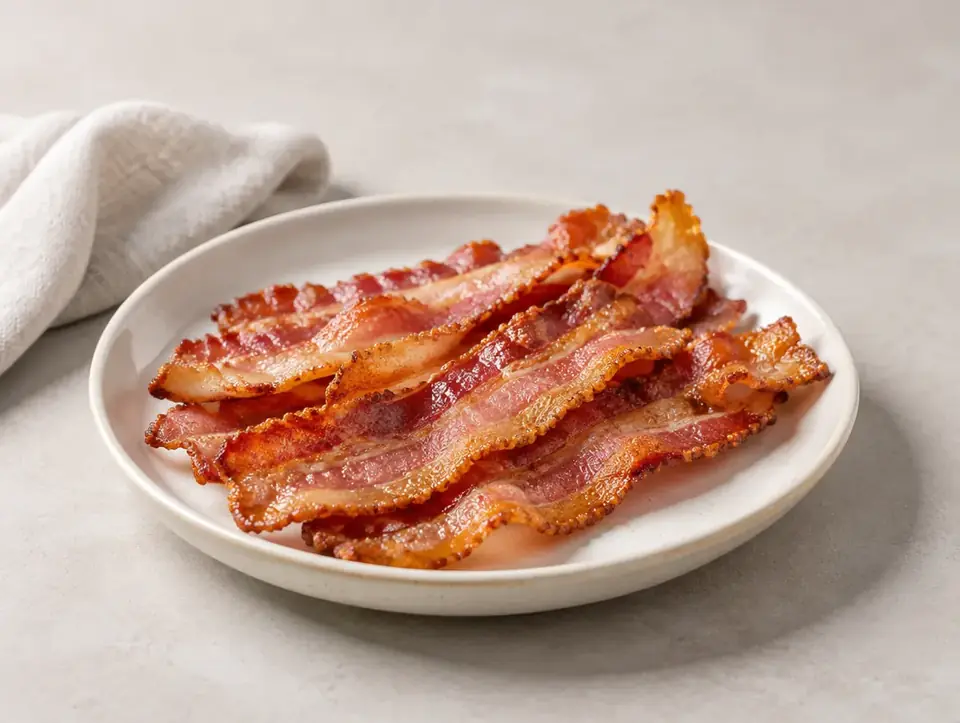
Cold pan, slow render, rashers turned glassy and brittle at the edge.
At a glance.
Crispy Bacon comes from Britain & United States · Cured Pork and appears in The Breakfast Atlas, in the chapter Bacon, Sausage & Hash. It serves 3, takes about 20 minutes, and uses 3 ingredients and 8 steps.
- Yield
- Serves 3
- Method
- Stovetop
- Time
- 20 minutes
Ingredients
Tap an ingredient to tick it off.
Method
-
Lay the slices in a large, heavy, unheated skillet in a single layer, overlapping only at the very ends. Add no fat at all; the bacon supplies its own.
-
Set the pan over medium-low heat. For the first three or four minutes you should hear nothing but a low, wet ticking as the fat begins to melt out and pool.
-
Once a shallow layer of clear fat has gathered, turn each slice with tongs. Continue turning every two minutes so both faces cook in the fat rather than one face frying and the other steaming.
-
Pour off the rendered fat into a heatproof jar as it accumulates past about 3 mm deep — too much and the bacon deep-fries, browning outside before the inside dries.
-
After 12–15 minutes the slices will have shrunk by a third, gone the color of dark honey and stopped releasing steam. This silence is the cue: the water is gone and the browning is nearly done.
-
For a crowd, use the oven instead: lay the rashers on a rack set in a rimmed tray and bake at 200°C (400°F, fan 180°C) for 15–20 minutes, no turning, no spitting.
-
Lift onto a wire rack rather than paper towels. Paper traps steam against the underside and softens the crust you have just built, and it strips the last of the fat.
-
Grind over black pepper and serve within a few minutes, while the fat is still set glassy rather than gone waxy and dull at the edges of the shards.
Cook’s notes
- The technique
- Start cold. Fat begins to liquefy well below the temperature at which lean muscle contracts, so a cold pan gives the fat a head start of a minute or two. Drop bacon into a hot pan and the lean seizes and buckles first, locking ripples of unrendered fat inside the curls — those pale rubbery bands are the reason hot-pan bacon is chewy in patches and burnt in others.
- Make ahead
- Bacon reheats better than most fried things. Cook it fully, cool on a rack, refrigerate flat between sheets of baking parchment for up to three days, then crisp for three minutes in a 200°C oven. Rendered bacon fat keeps a month in the fridge and is worth more than the bacon.
- Troubleshooting
- Curled, unevenly cooked rashers — the pan was hot at the start; begin cold and turn often. Burnt before crisp — a sugar or maple cure over too high a heat; drop to medium-low. Limp and gray — the pan is crowded, so the bacon is steaming; cook in two batches with space between the slices.
- Variations
- Back bacon, cut from the loin, is the British breakfast standard and wants three minutes a side, no crisping. Pancetta, the Italian unsmoked belly cure, is saltier and fries in cubes. Candied bacon takes a brush of maple syrup and a grind of pepper in the last two minutes of oven cooking.
- Serve with
- Fried eggs, buttered toast and the rendered fat spooned over mushrooms. In Britain, back bacon between white bread with brown sauce or ketchup. Strong black coffee, or builder's tea with milk.

Where it comes from
The word travels into English through Old French from a Germanic root meaning the back of the pig, and for most of its life bacon meant exactly that — cured meat from the loin. The split that still divides breakfast tables came later. British back bacon keeps the eye of loin with a tail of belly fat and is usually wet-cured and mild; the Wiltshire cure, refined in the curing houses of Calne from the mid-nineteenth century, made a pale, lightly salted rasher that fries limp and meaty rather than brittle. American bacon took the belly alone — all alternating fat and lean, cured sweeter with sugar or maple and smoked hard over hickory or applewood, which is why it crisps into a shard. Pre-sliced bacon in a sealed package reached shops in the 1920s and turned a butcher's cut into a supermarket staple. The claim that bacon and eggs was manufactured as a national breakfast by a 1920s publicity campaign is repeated often; the campaign is real, its decisive influence is not proven.
All 303 recipes from United States
All 69 recipes from United Kingdom
Crispy Bacon: quick answers
How long does Crispy Bacon take?
About 20 minutes.
How many does this Crispy Bacon recipe make?
This recipe serves 3.
Where does Crispy Bacon come from?
The word travels into English through Old French from a Germanic root meaning the back of the pig, and for most of its life bacon meant exactly that — cured meat from the loin. The split that still divides breakfast tables came later. British back bacon keeps the eye of loin with a tail of belly fat and is usually wet-cured and mild; the Wiltshire cure, refined in the curing houses of Calne from the mid-nineteenth century, made a pale, lightly salted rasher that fries limp and meaty rather than brittle. American bacon took the belly alone — all alternating fat and lean, cured sweeter with sugar or maple and smoked hard over hickory or applewood, which is why it crisps into a shard. Pre-sliced bacon in a sealed package reached shops in the 1920s and turned a butcher's cut into a supermarket staple. The claim that bacon and eggs was manufactured as a national breakfast by a 1920s publicity campaign is repeated often; the campaign is real, its decisive influence is not proven.
More from United States




More in Bacon, Sausage & Hash
 Breakfast Sausage LinksUnited States · Fresh Cased Sausage
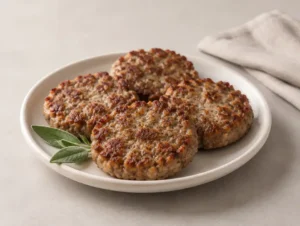 Sausage PattiesAmerican South & Midwest · Country Sausage
 Turkey Sausage PattiesUnited States · Lean Breakfast Meats
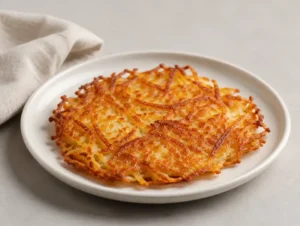 Hash BrownsUnited States · Diner Cooking
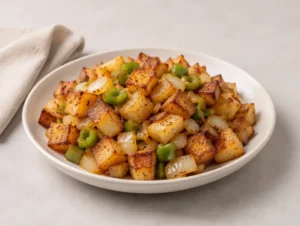 Home FriesUnited States · Diner Griddle
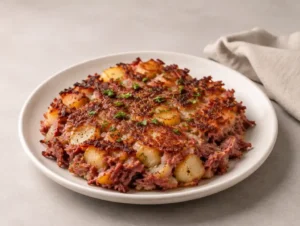 Corned Beef HashIreland & New England · Salt Beef
https://www.atlasserie.com/recipes/breakfast/crispy-bacon/