England · Spring Produce · 51.51° N, 0.13° W
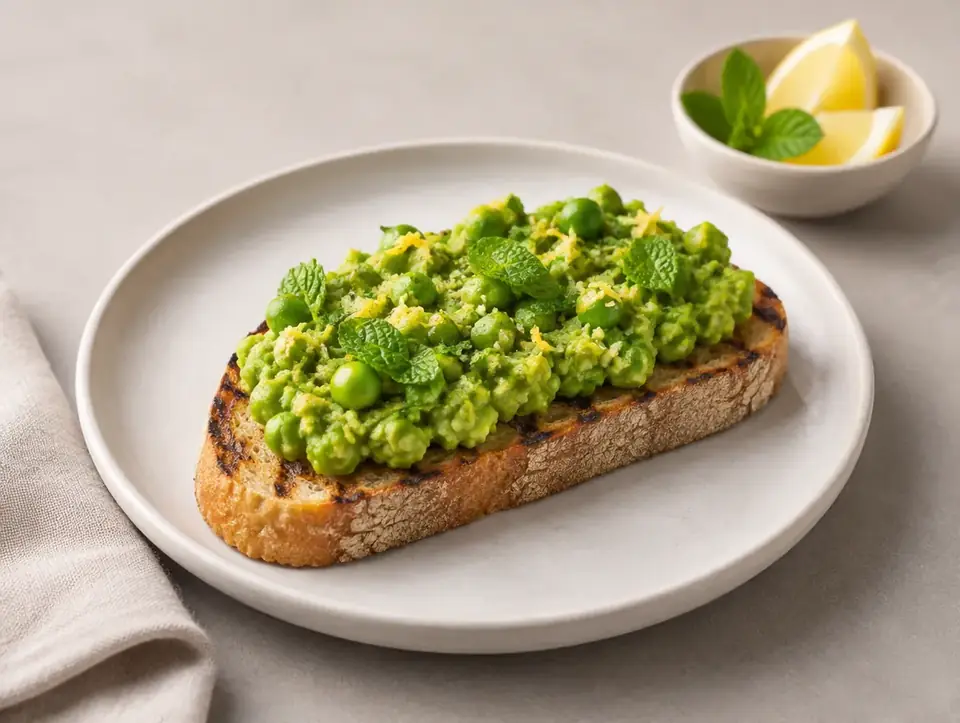
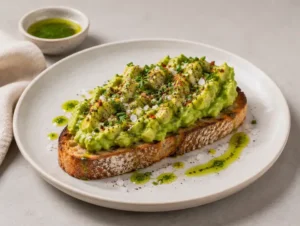
Smashed Pea Toast
Frozen peas, mint and lemon smashed rough onto griddled bread.
At a glance.
Smashed Pea Toast comes from England · Spring Produce and appears in The Breakfast Atlas, in the chapter Toast & Breakfast Breads. It serves 2, takes about 15 minutes, and uses 11 ingredients and 10 steps.
- Yield
- Serves 2
- Method
- Stovetop
- Time
- 15 minutes
Ingredients
Tap an ingredient to tick it off.
Method
-
Bring a small pan of well-salted water to a rolling boil. Peas want salted water the way pasta does; boiled in plain water they taste hollow and washed out no matter what you add afterward.
-
Tip in the frozen peas and cook 2 minutes from the moment the water returns to the boil. They were blanched before freezing, so this is reheating rather than cooking.
-
Drain, and refresh half of them briefly under cold water to hold the color, keeping the other half hot. The hot peas smash more willingly; the cooled ones keep the mixture bright green.
-
Set aside 3 tablespoons of whole peas. Texture is the argument for this dish over a pea purée, and whole peas bursting against smashed ones is where that argument is won.
-
Put the rest in a bowl with the mint, garlic, lemon zest and juice, olive oil, cheese and salt. Crush with a fork or the end of a rolling pin, working around the bowl, to a rough green rubble.
-
Stop while it is still uneven, with skins visible. A food processor takes this to baby food in four seconds and there is no undoing it; if you use one, pulse three times at most.
-
Taste it. Peas are sweet, so the mixture needs more lemon and salt than seems right; add juice a teaspoon at a time until the sweetness reads as flavor rather than sugar.
-
Griddle or toast the bread until well marked and rigid, about 2 minutes a side, and brush it with a little olive oil while hot.
-
Pile the smashed peas onto the toast, scatter the reserved whole peas and the spring onion over, and dot with ricotta or feta if you are using it.
-
Finish with the small mint leaves, chilli flakes, cracked pepper and a last thread of olive oil. Serve straight away — the color dulls noticeably within twenty minutes.
Cook’s notes
- The technique
- Two minutes is the outer limit for the peas. A frozen pea has already been blanched at the factory, its cell walls softened and its enzymes stopped, so further boiling only breaks chlorophyll down into olive-drab pheophytin and leaches out the sugars that make it worth eating. Cook briefly in salted water, drain hard so no water dilutes the dressing, and dress while warm — warm peas absorb oil and lemon far better than cold.
- Make ahead
- The smashed mixture holds three hours if you press cling film onto the surface and refrigerate it, though the green fades. Mint browns once cut, so chop it at the last moment. Toast to order. Leftovers are good stirred through pasta with a splash of its cooking water.
- Troubleshooting
- Khaki, dull mixture — overcooked or made too far ahead; two minutes and prompt service. Watery topping sliding off the toast — the peas were not drained hard enough. Flat and sweetly lifeless — under-salted and under-acidified; reach for lemon before more cheese.
- Variations
- Add a poached egg and the dish becomes lunch. Double-podded broad beans can replace a third of the peas for a more mineral edge. For a nod to the chip-shop lineage, cook dried marrowfat peas soft instead and season them with malt vinegar and white pepper.
- Serve with
- A cup of tea at breakfast; a cold glass of English sparkling wine or a dry Sauvignon Blanc if it is standing in for lunch. Radishes with butter and salt alongside. Smoked salmon or crisp pancetta both sit well on top.

Where it comes from
Peas and mint is an English pairing so settled it barely reads as a recipe. Fresh peas have a short season — late May to early July in southern England — and the mint that comes up in the same weeks was the traditional way of dressing them. The other lineage behind this toast is coarser and more northern: mushy peas, dried marrowfat peas soaked with bicarbonate of soda and cooked to a green slurry, eaten beside fish and chips across Yorkshire and Lancashire; and pease pudding, the boiled split-pea loaf of Tyneside that predates both. Smashed peas on toast sits between the two, closer to the garden than the chip shop. The frozen pea deserves its place here without apology. Peas convert their sugars to starch within hours of picking, which is why market peas so often disappoint; commercial freezing, developed on the back of Clarence Birdseye's work in the 1920s, catches them within a couple of hours of harvest, and a frozen pea in February is reliably sweeter than a tired fresh one bought in July.
Smashed Pea Toast: quick answers
How long does Smashed Pea Toast take?
About 15 minutes.
How many does this Smashed Pea Toast recipe make?
This recipe serves 2.
Where does Smashed Pea Toast come from?
Peas and mint is an English pairing so settled it barely reads as a recipe. Fresh peas have a short season — late May to early July in southern England — and the mint that comes up in the same weeks was the traditional way of dressing them. The other lineage behind this toast is coarser and more northern: mushy peas, dried marrowfat peas soaked with bicarbonate of soda and cooked to a green slurry, eaten beside fish and chips across Yorkshire and Lancashire; and pease pudding, the boiled split-pea loaf of Tyneside that predates both. Smashed peas on toast sits between the two, closer to the garden than the chip shop. The frozen pea deserves its place here without apology. Peas convert their sugars to starch within hours of picking, which is why market peas so often disappoint; commercial freezing, developed on the back of Clarence Birdseye's work in the 1920s, catches them within a couple of hours of harvest, and a frozen pea in February is reliably sweeter than a tired fresh one bought in July.
More from United Kingdom
More in Toast & Breakfast Breads
https://www.atlasserie.com/recipes/breakfast/smashed-pea-toast/