Italy / United States · 43.43° N, 12.37° E
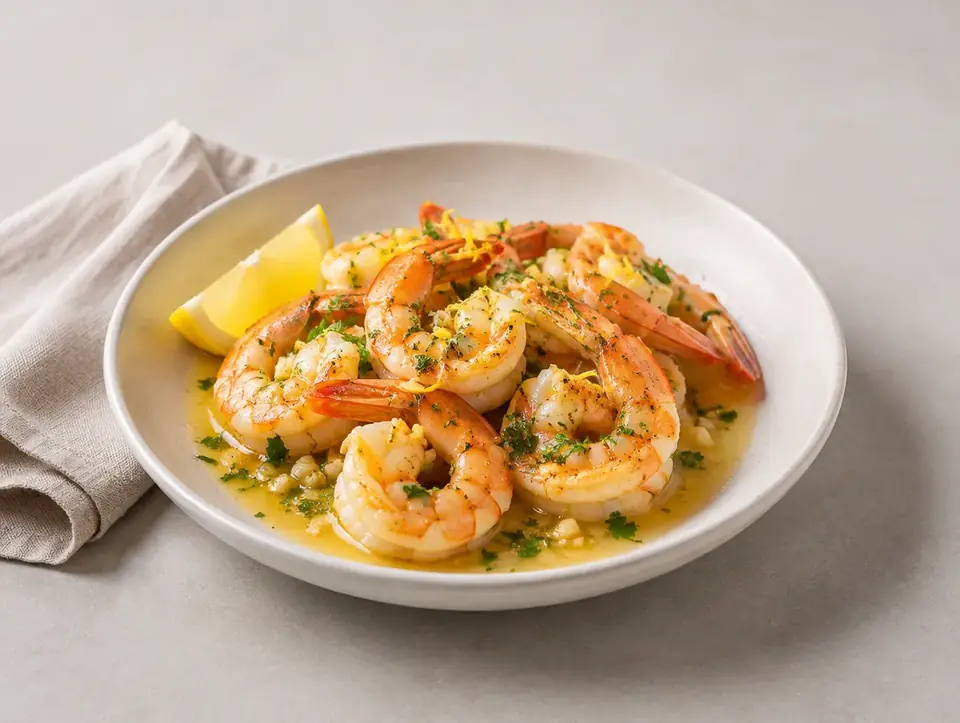
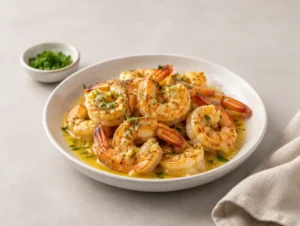
Shrimp Scampi
Shrimp in a garlic butter sauce with white wine and lemon.
At a glance.
Shrimp Scampi comes from Italy / United States and appears in The Dinner Atlas, in the chapter Seafood & Fish. It serves 4, is made on the stovetop, and uses 9 ingredients and 8 steps.
- Yield
- Serves 4
- Method
- Stovetop
Ingredients
Tap an ingredient to tick it off.
Method
-
Pat the shrimp thoroughly dry and season them with salt. This is the difference between a sear and a poach.
-
Heat the olive oil and 2 tbsp of the butter in a wide pan over high heat until foaming.
-
Lay the shrimp in a single layer, not touching, and sear for 60 to 90 seconds per side until just pink.
-
Remove the shrimp the moment they curl into a loose C. They are barely done, and that is correct.
-
Lower the heat, add the garlic and chili, and cook gently for 60 seconds. Burnt garlic will ruin the whole pan.
-
Pour in the wine and reduce it by half, scraping the base of the pan.
-
Take the pan off the heat and whisk in the remaining cold butter, cube by cube, until the sauce turns creamy and glossy.
-
Return the shrimp with the lemon juice and parsley, toss for 20 seconds, and serve with bread to mop the pan.

Where it comes from
Scampi in Italian means langoustine. When Italian immigrants in America could not find them, they used shrimp but kept the preparation and the name, which is why scampi now signals garlic butter.
All 110 recipes from Italy
All 303 recipes from United States
Shrimp Scampi: quick answers
How many does this Shrimp Scampi recipe make?
This recipe serves 4.
Where does Shrimp Scampi come from?
Scampi in Italian means langoustine. When Italian immigrants in America could not find them, they used shrimp but kept the preparation and the name, which is why scampi now signals garlic butter.
What is the secret to a good Shrimp Scampi?
Whisk the butter in off the heat. On the flame it splits into oil; off it, it emulsifies into a sauce.
More from Italy


More in Seafood & Fish
https://www.atlasserie.com/recipes/dinner/shrimp-scampi/